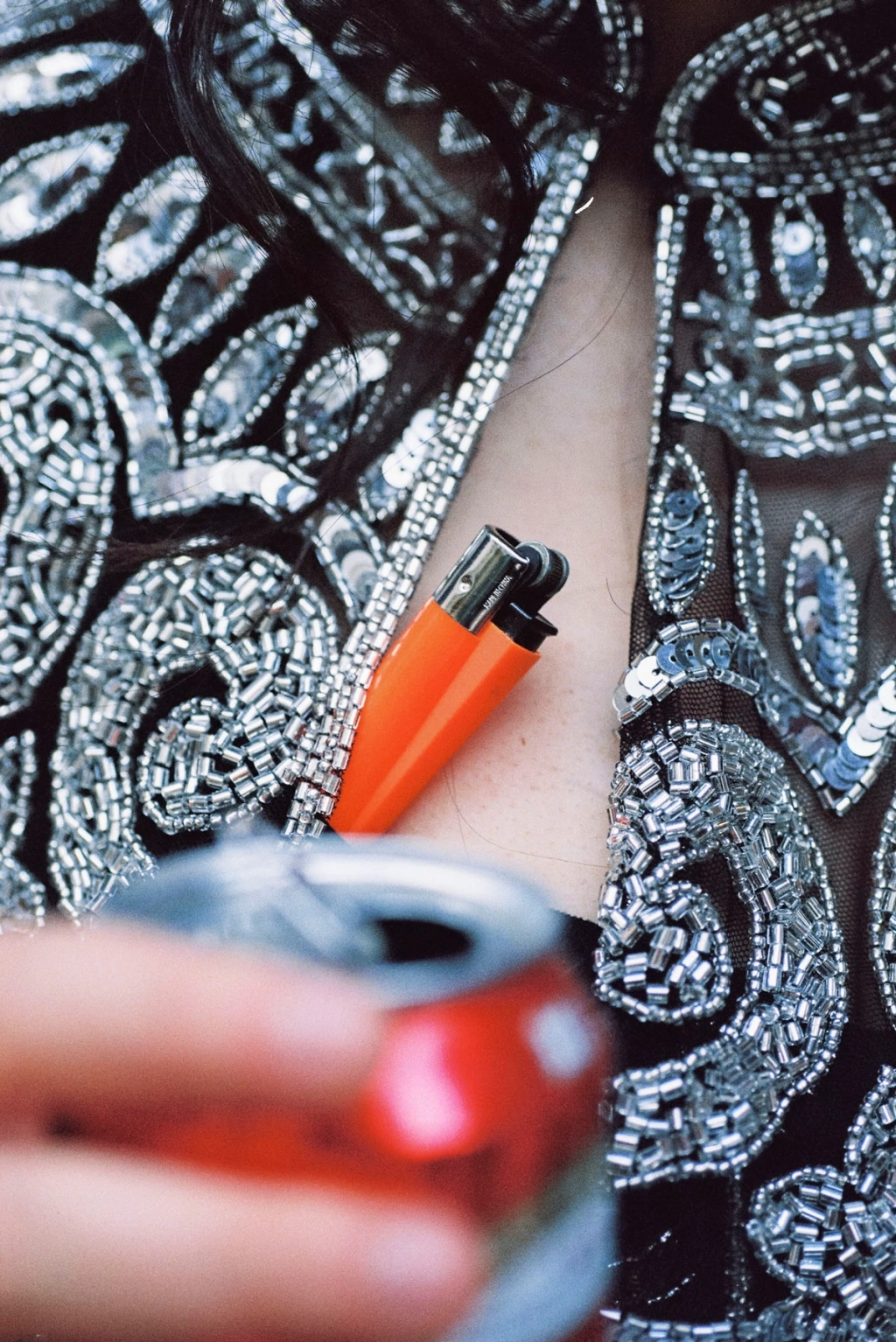
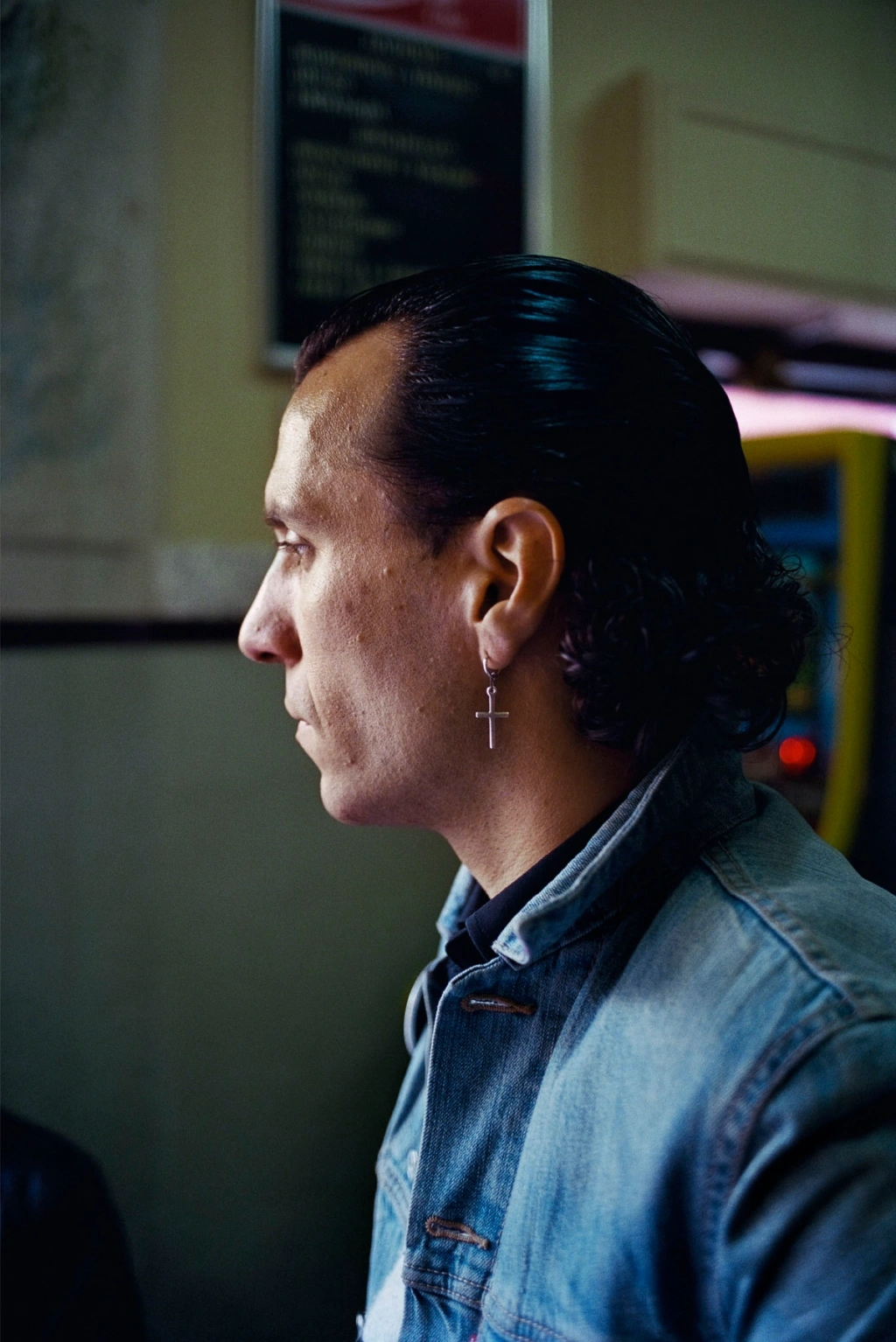
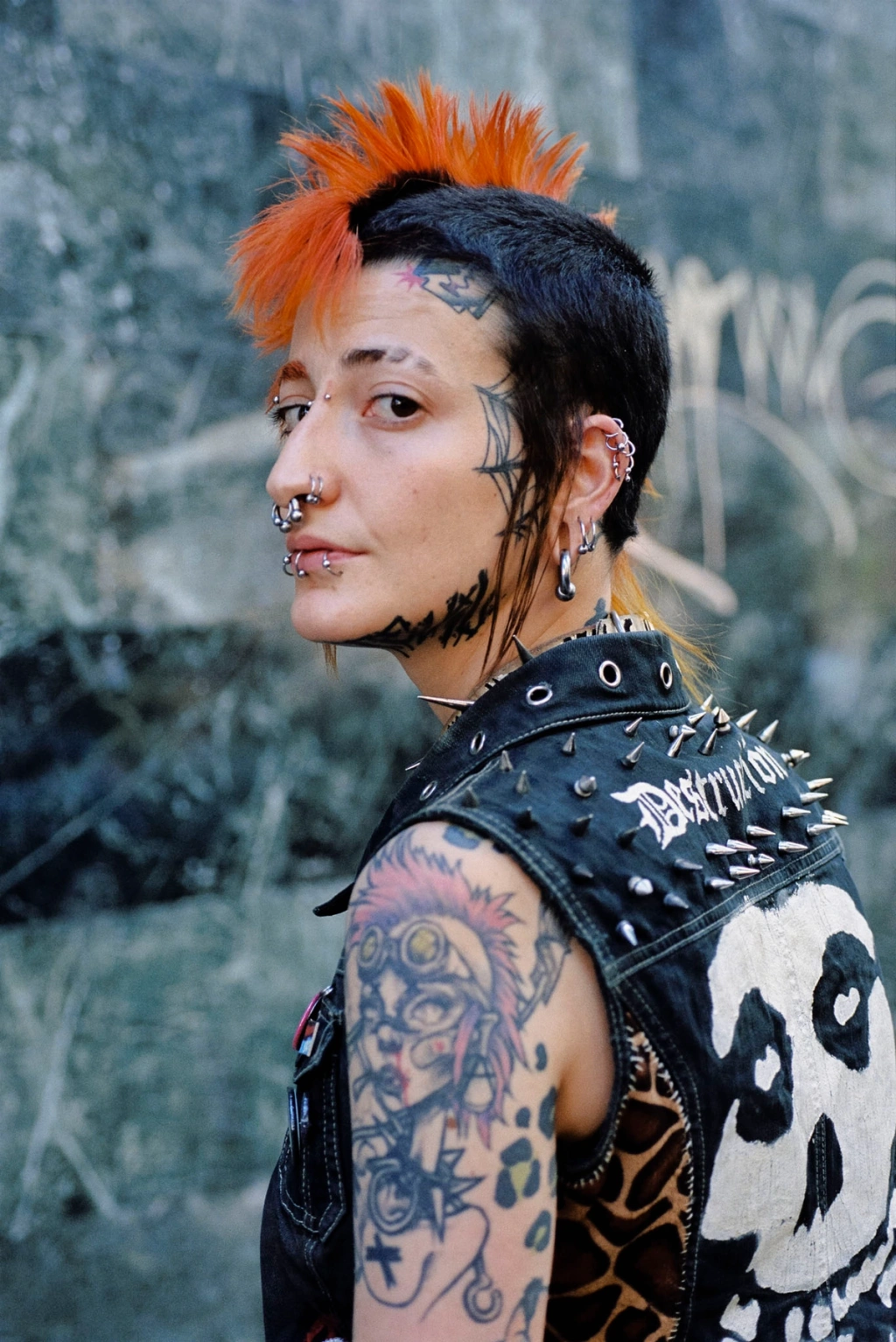
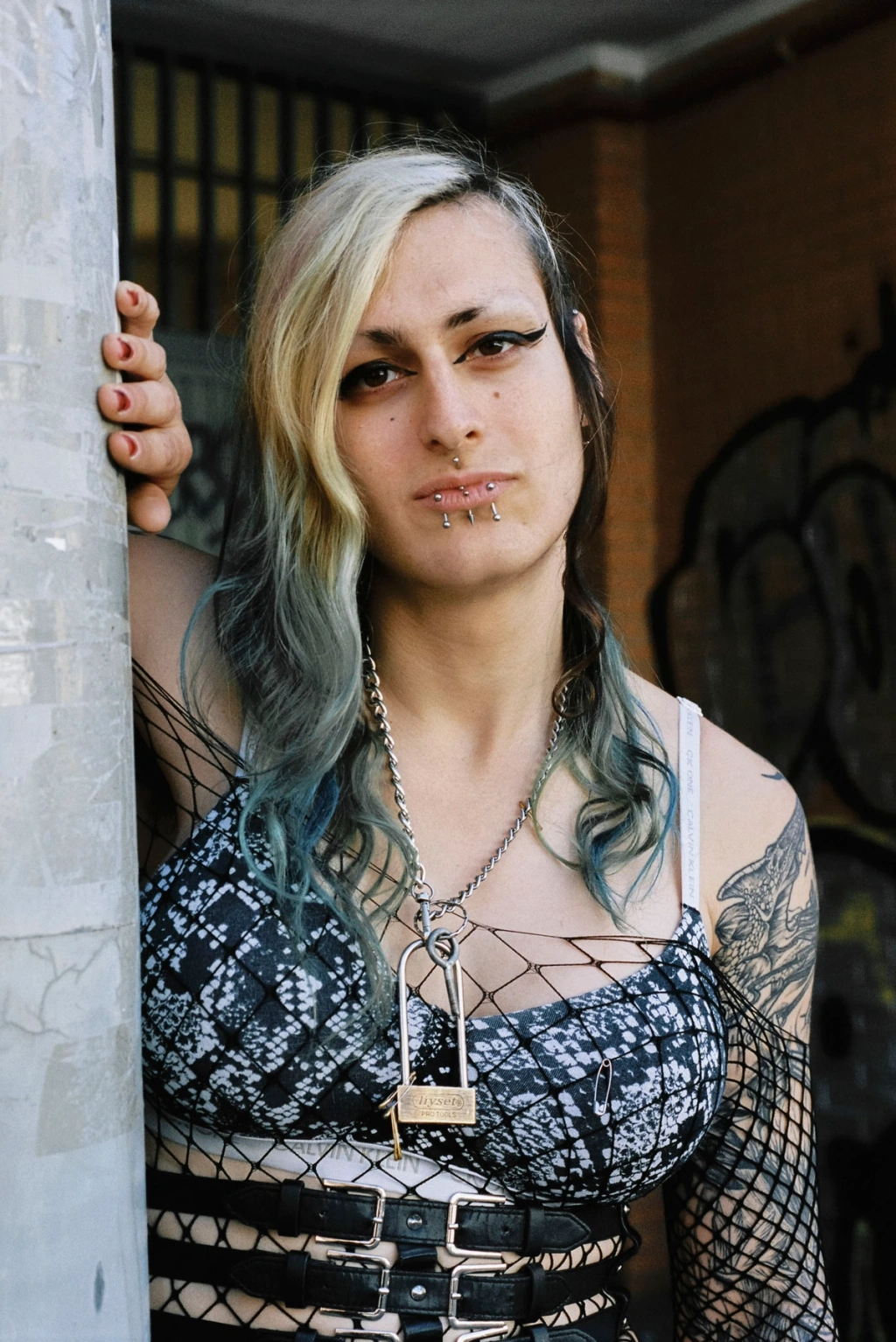
The photographic gaze traffics in the inheritance of a past that returns to the present —the only place from which it is possible to examine, question and inhabit history anew.
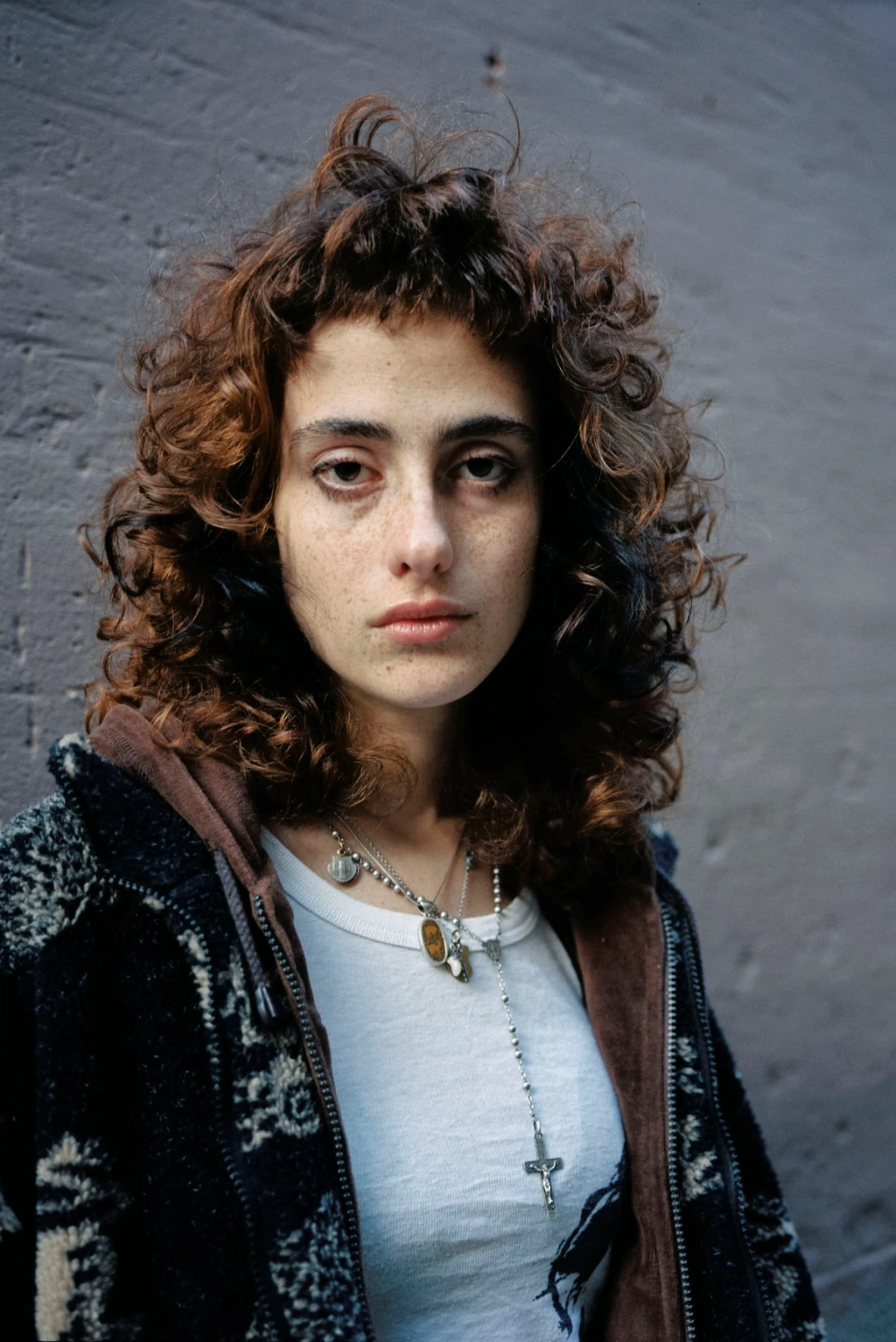
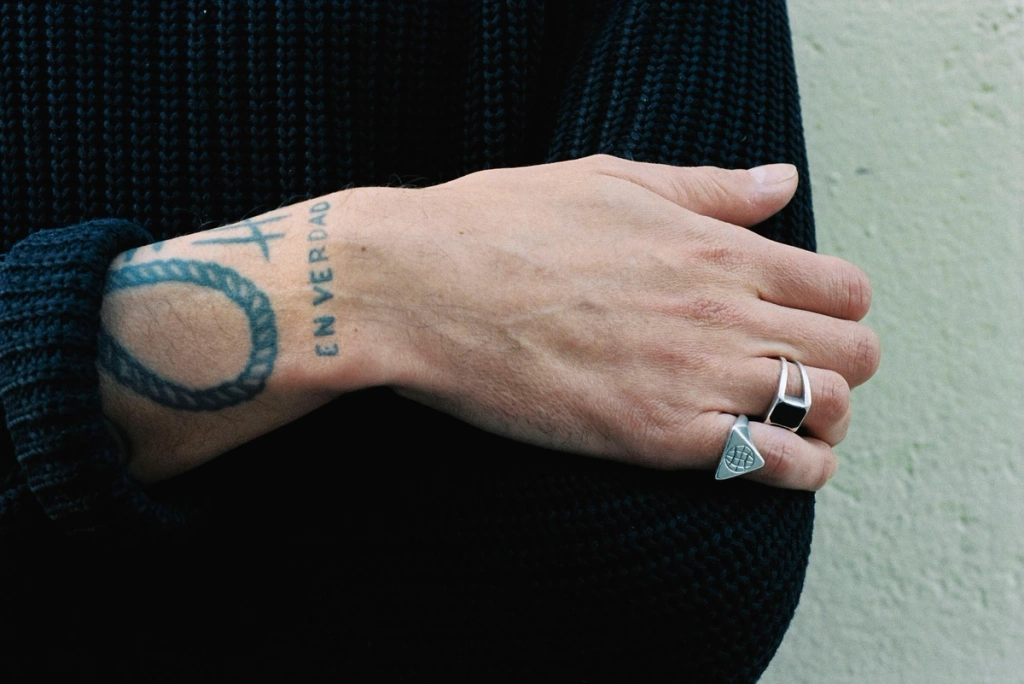
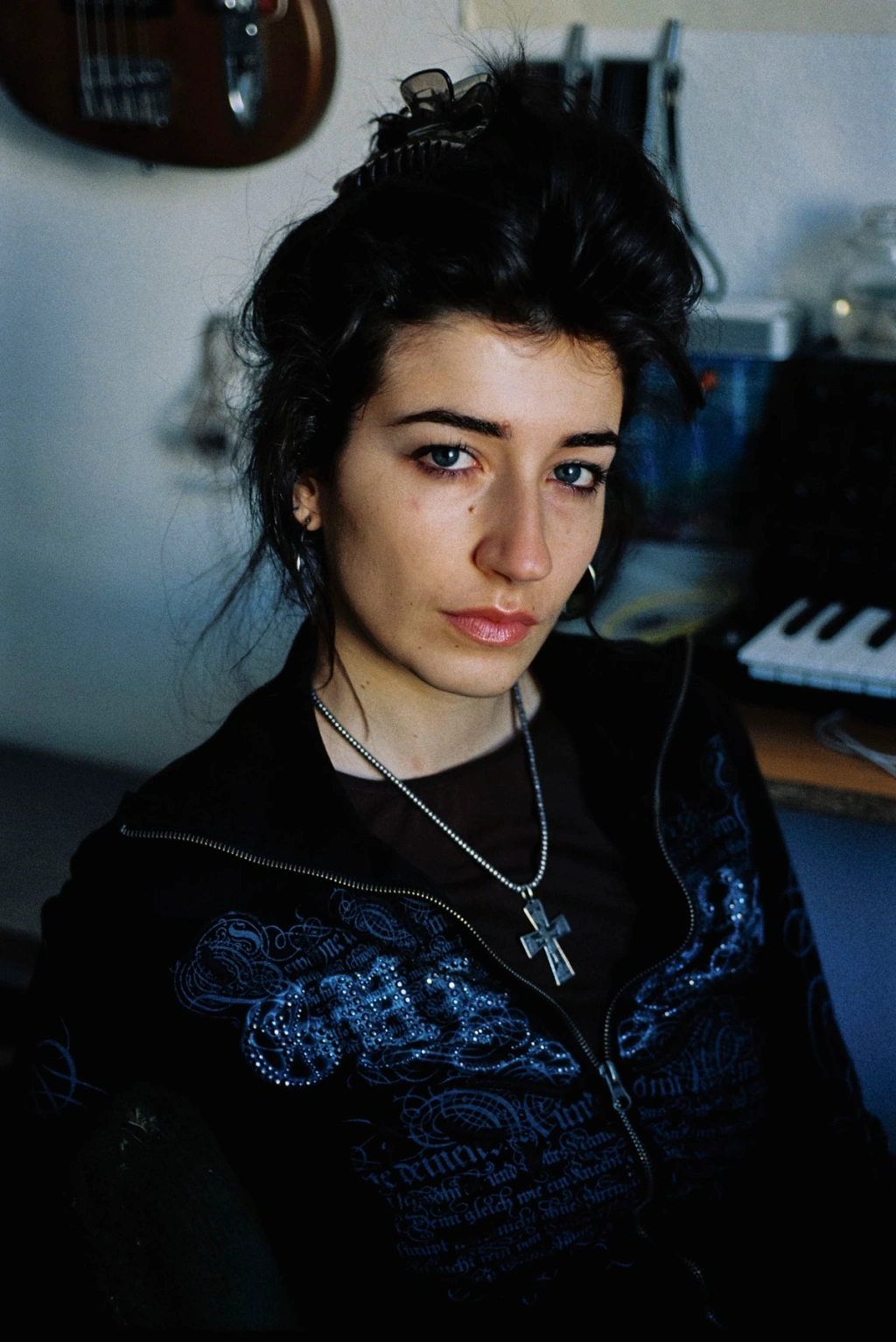
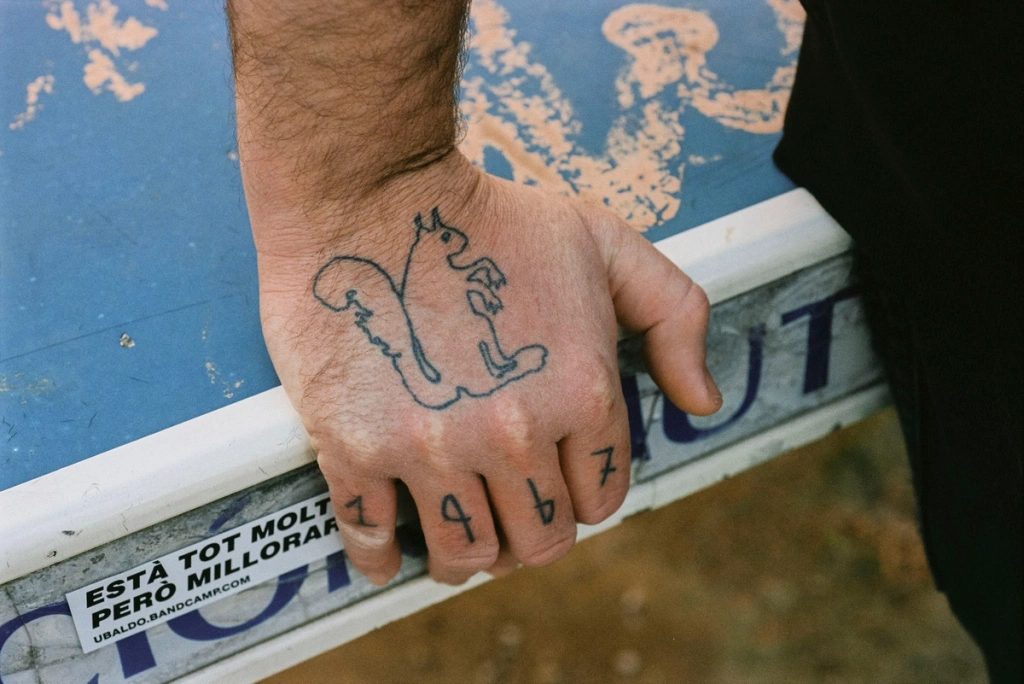
Familia Real is not just a project: it is a way of looking and being. It is a practice extended over time, a never-ending flow of presence, bonds, and encounters. It emerges from the gesture of photography as mediation, as a common territory where intimacy, intergenerational dialogue, and a chosen community are constructed.
It draws on the underground tradition, on the exploration of the margins traversed by photographers such as Bruce Davidson, Larry Clark or Mary Ellen Mark, building a bridge with a history of photography focused on otherness, resistance, and identity construction in subcultural contexts. Yet here the focus is not solely on observation: it lies on involvement, coexistence, and the negotiation of a space marked by the internal tension that defines the project’s pulse. Proximity and margin coexist, straining the gaze and giving form to each photographic gesture.
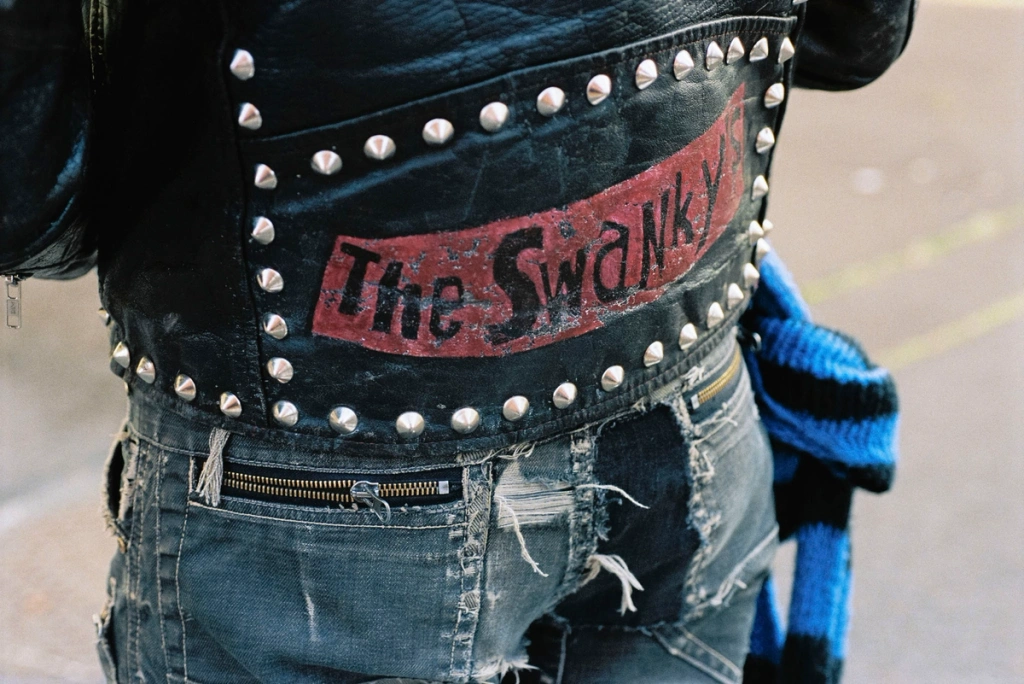
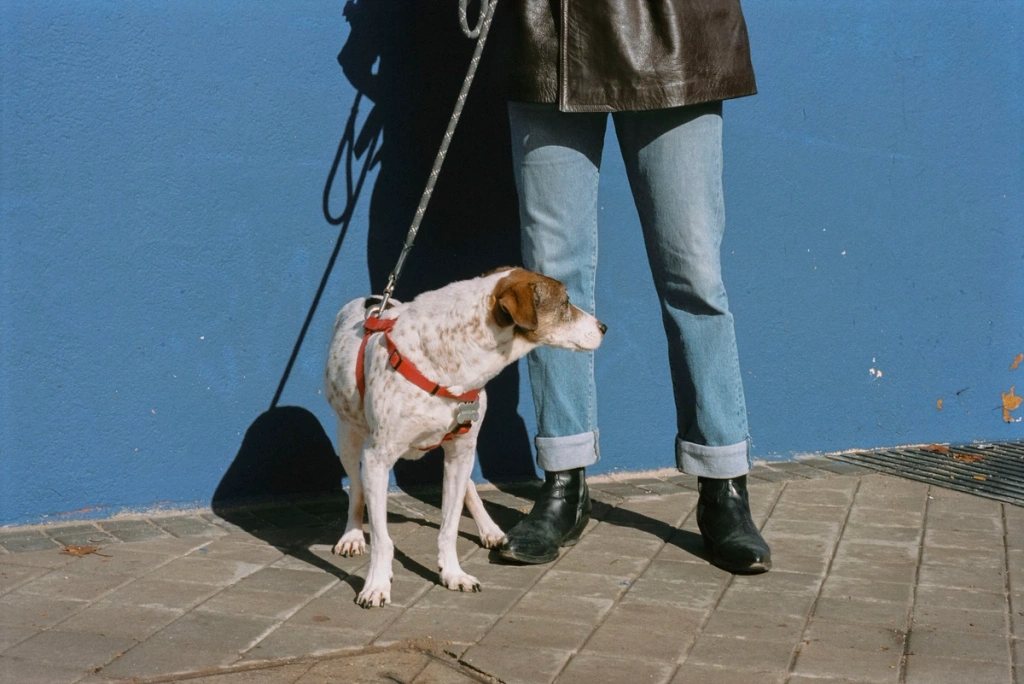
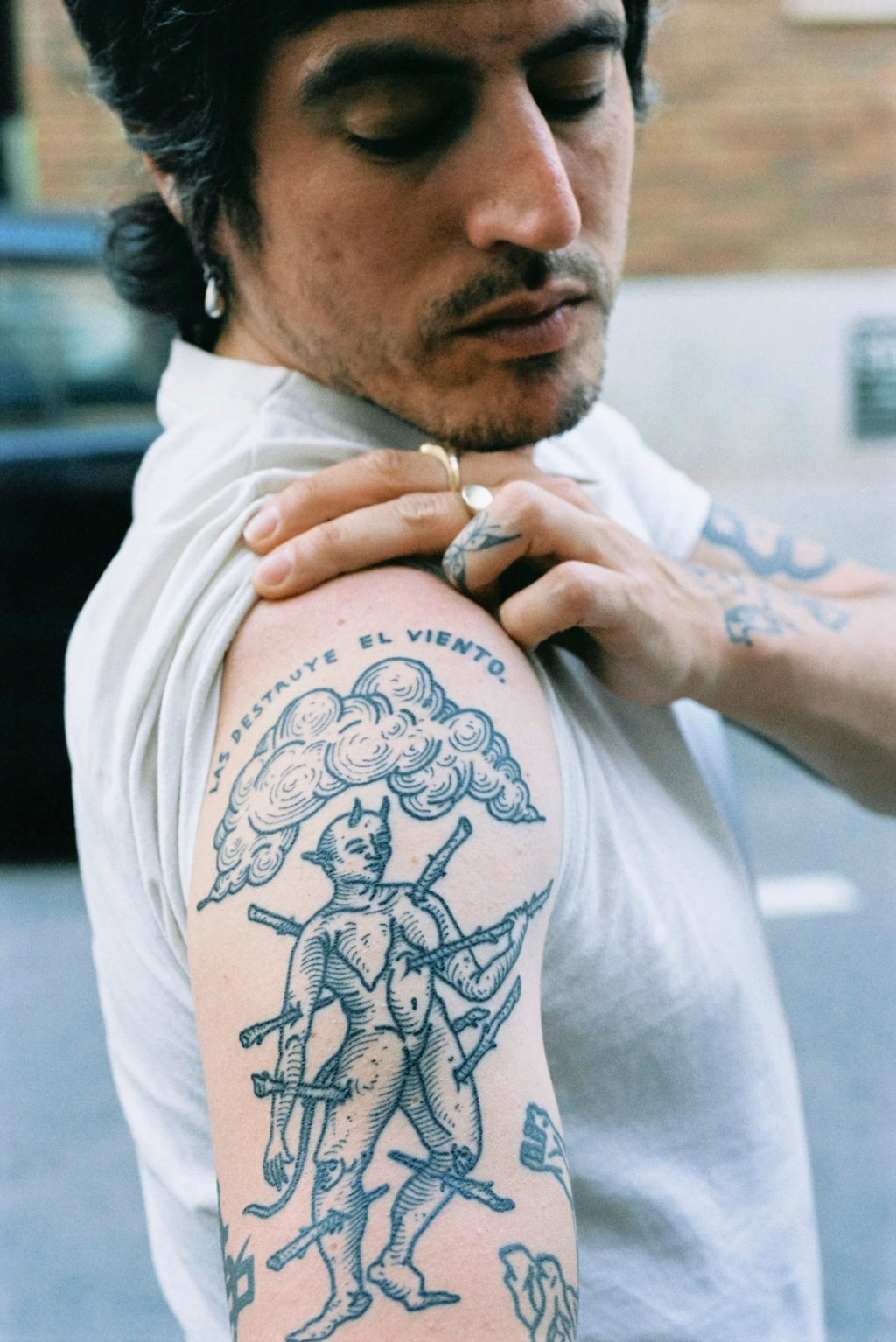
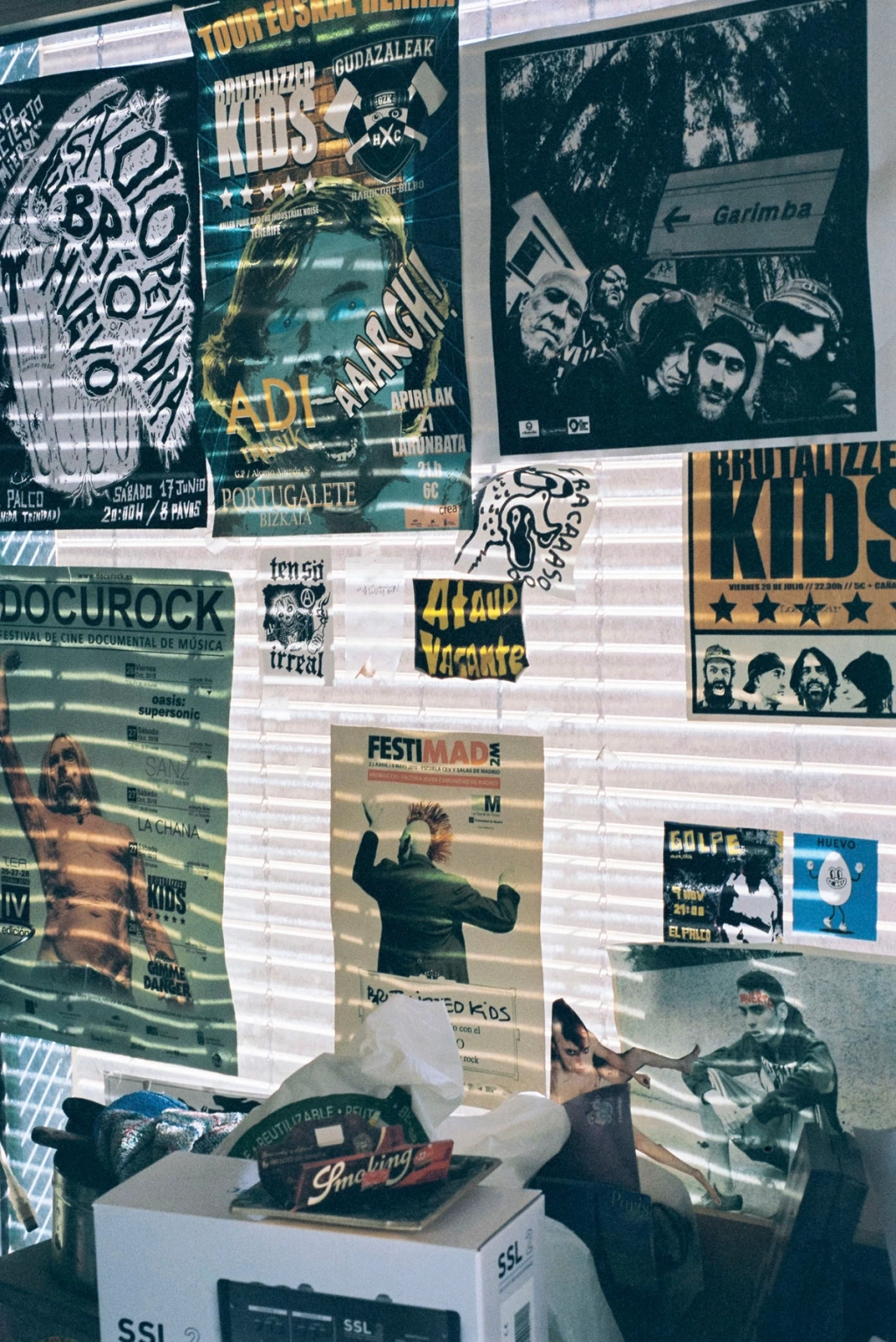
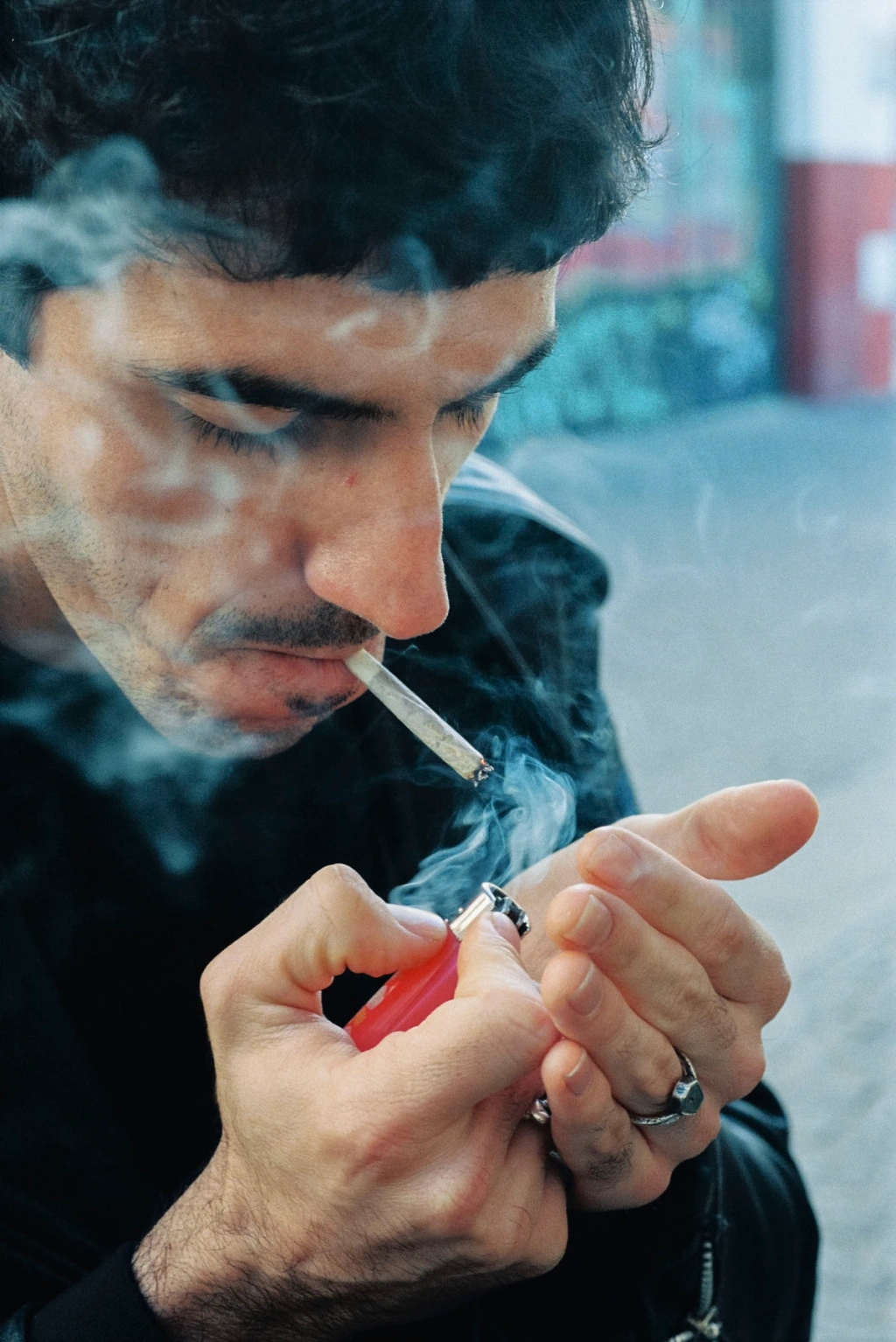
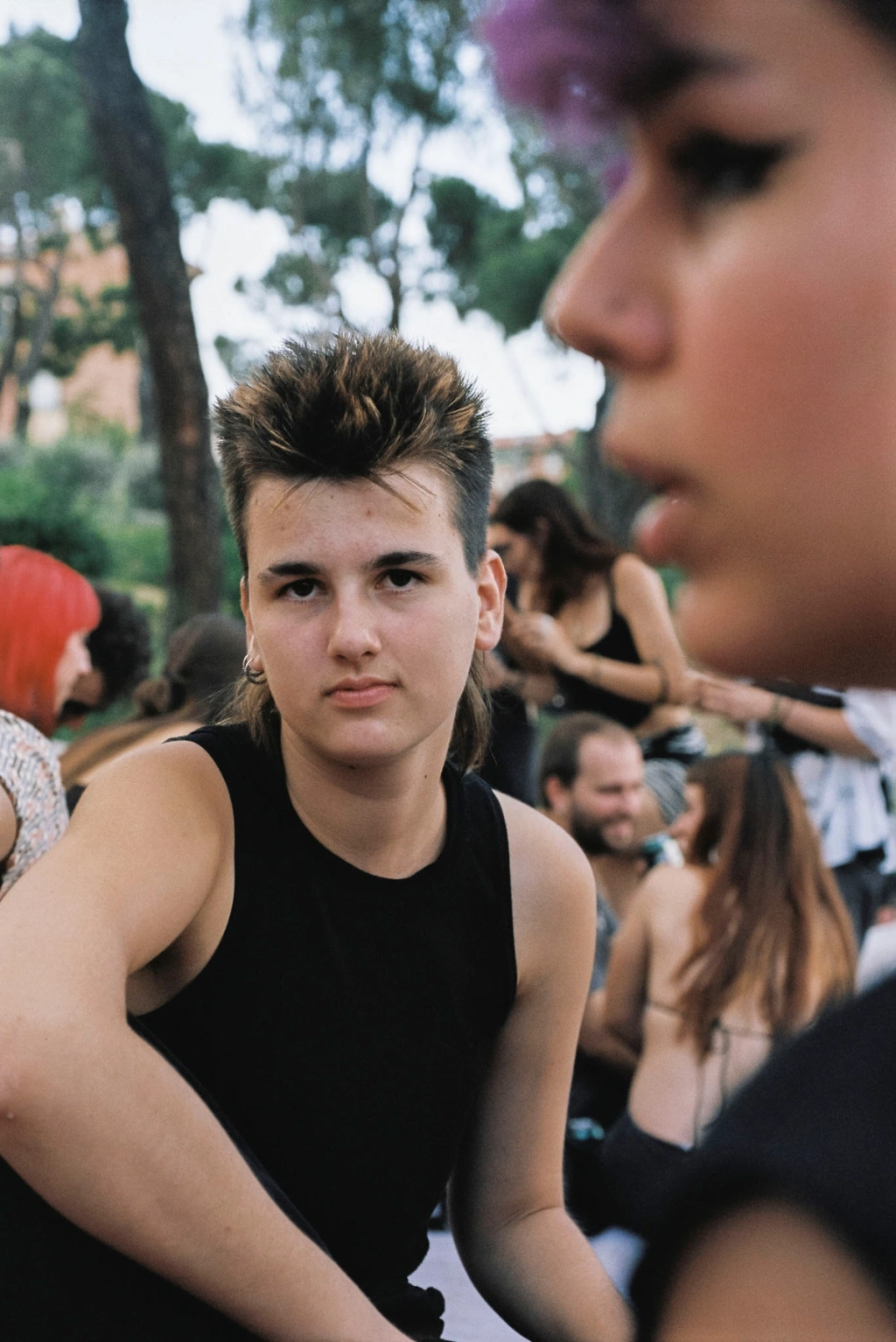
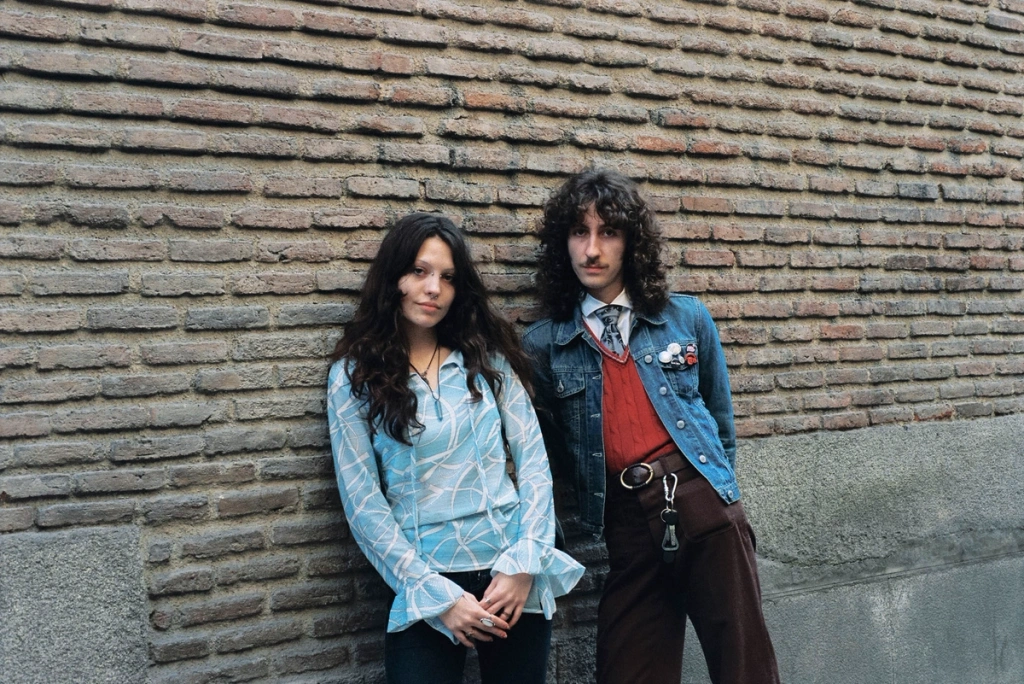
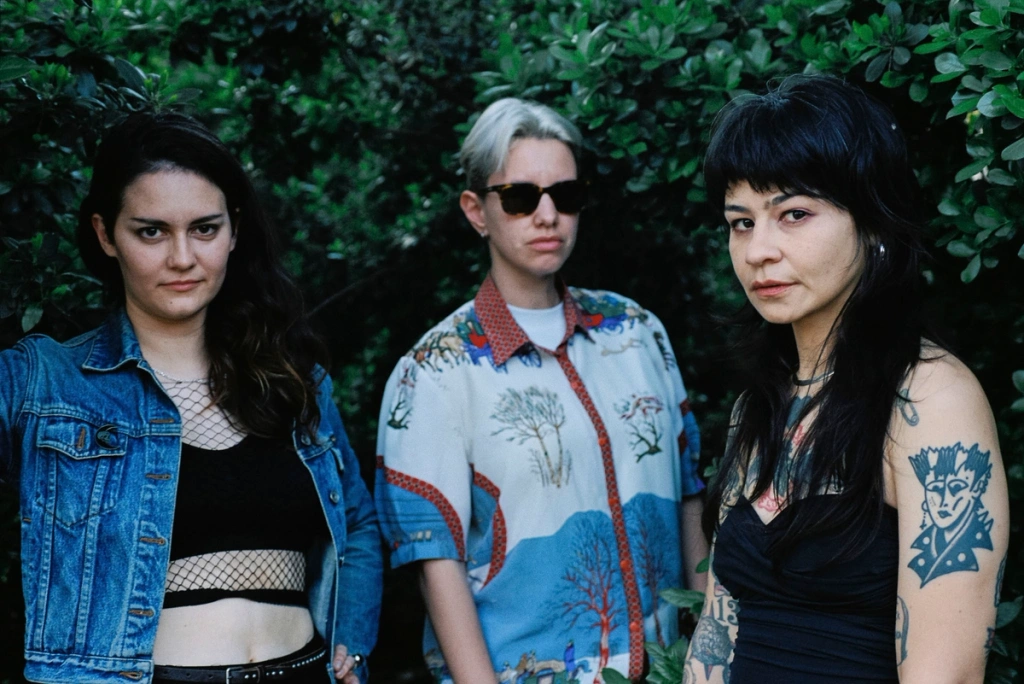
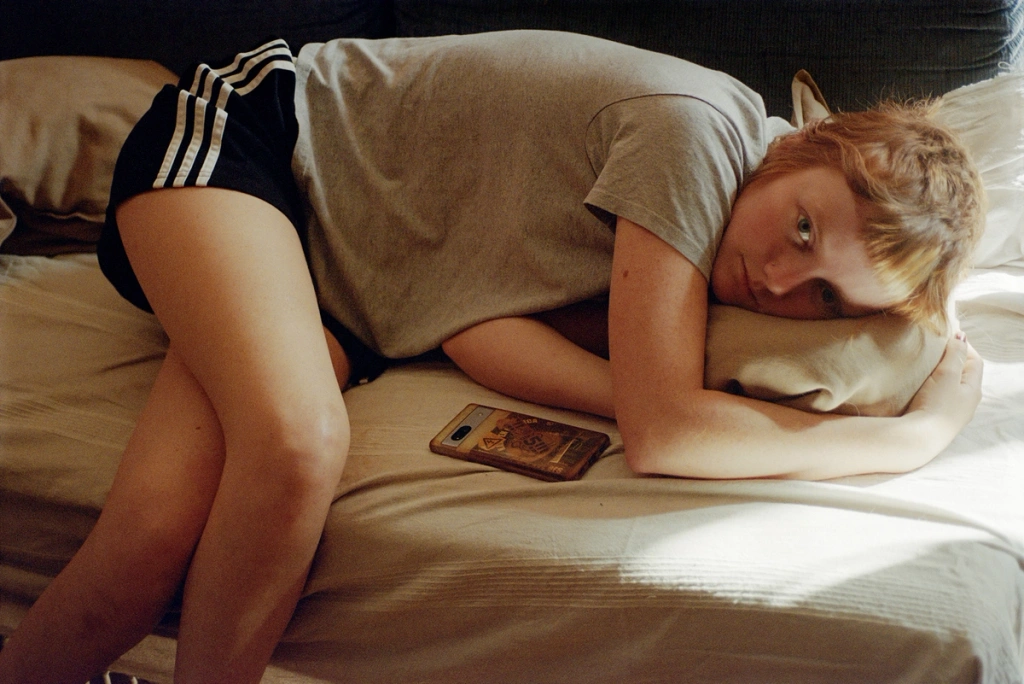
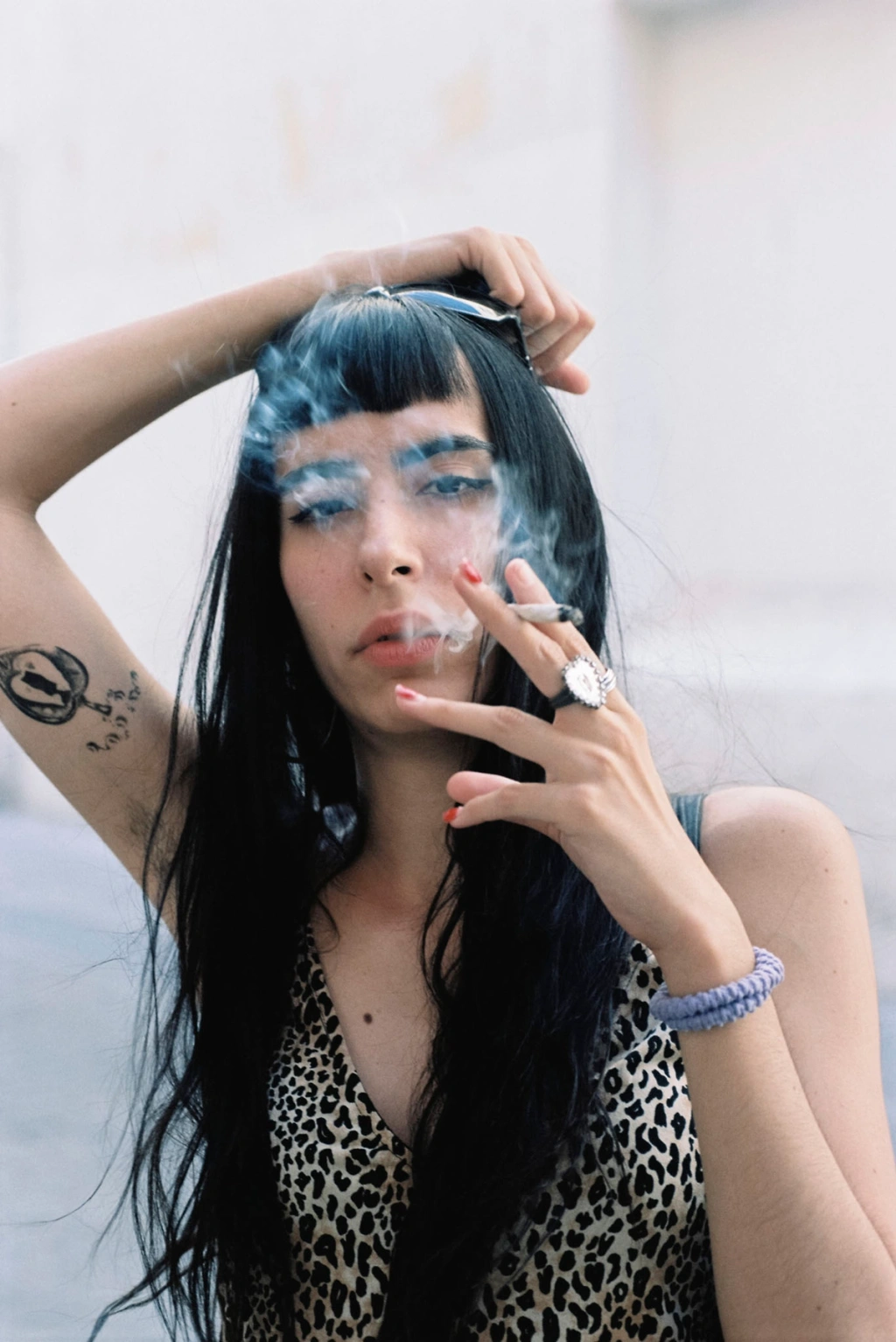
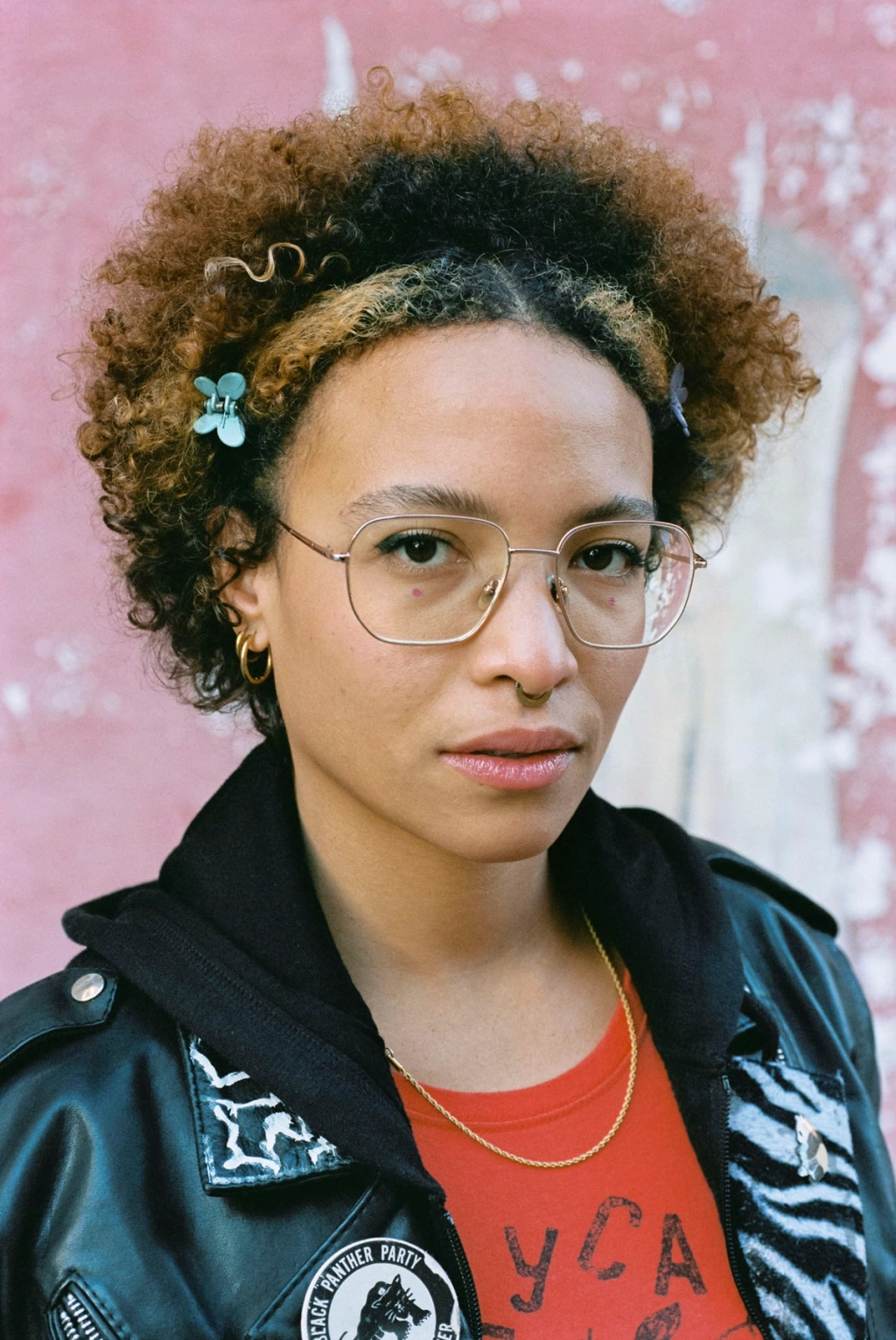
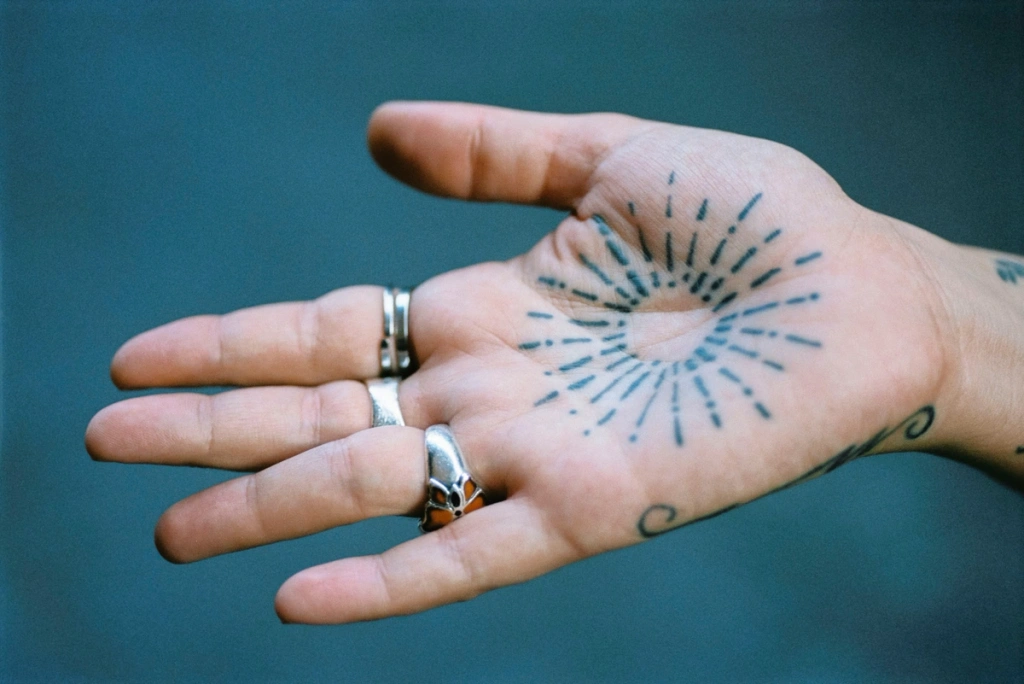
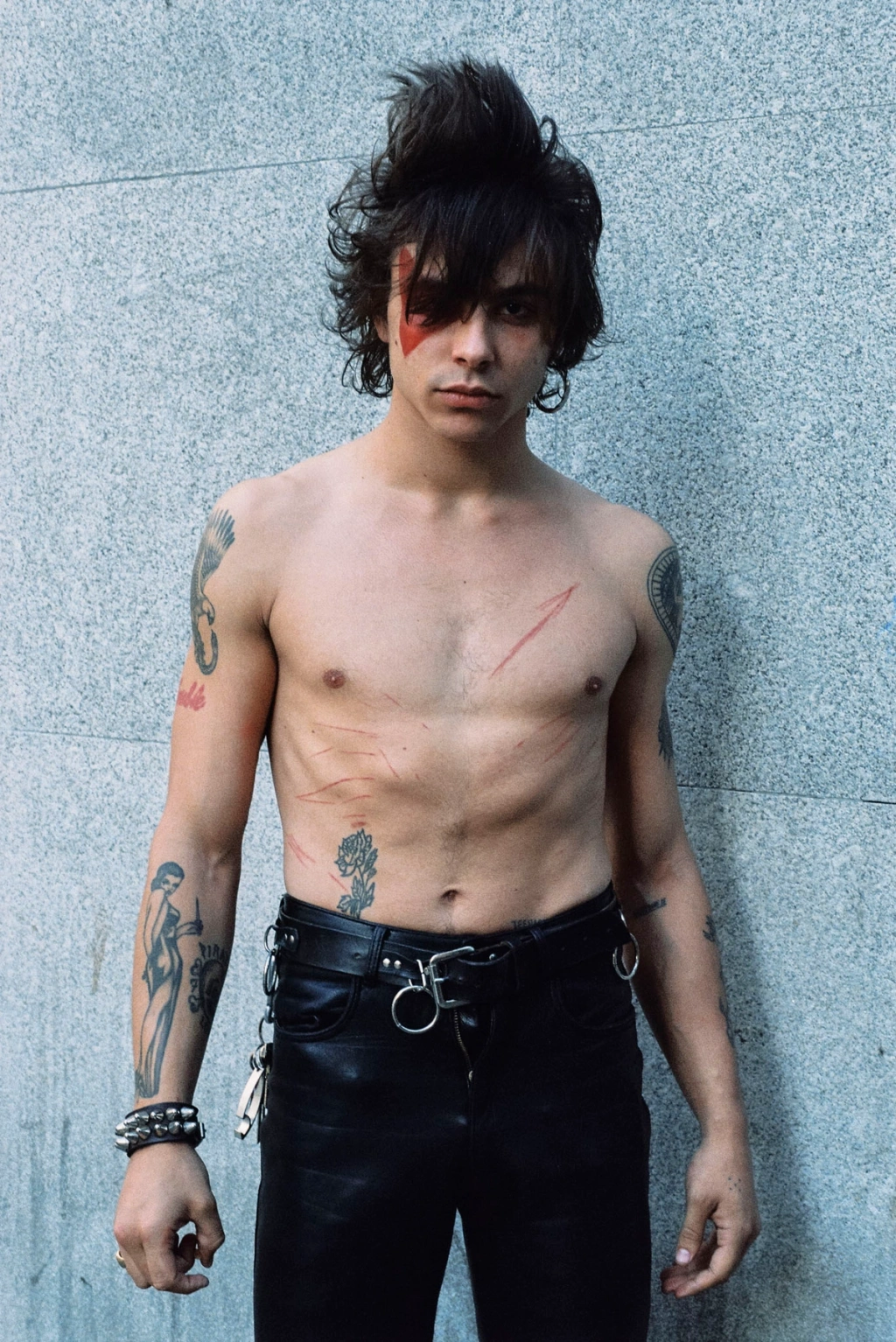
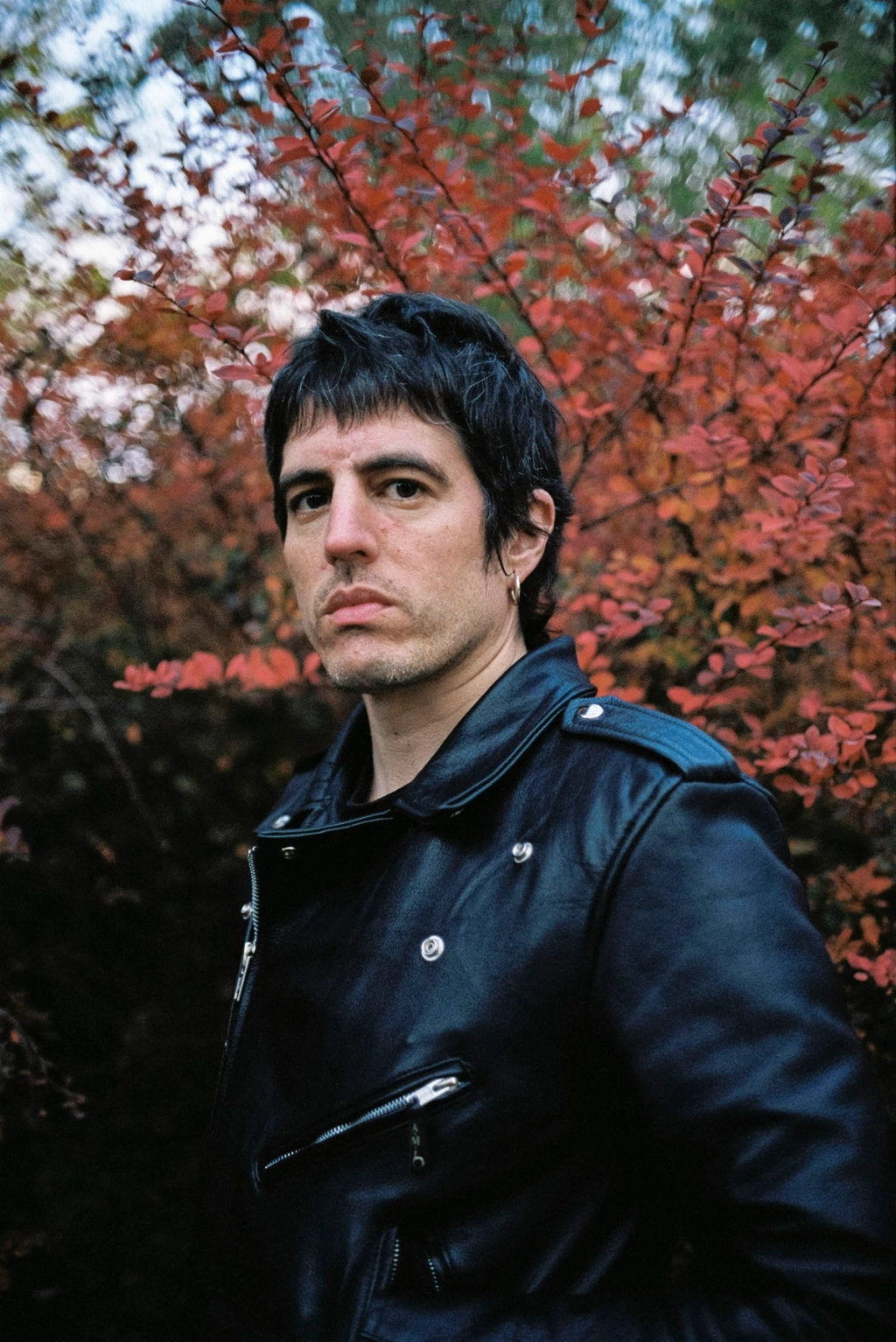
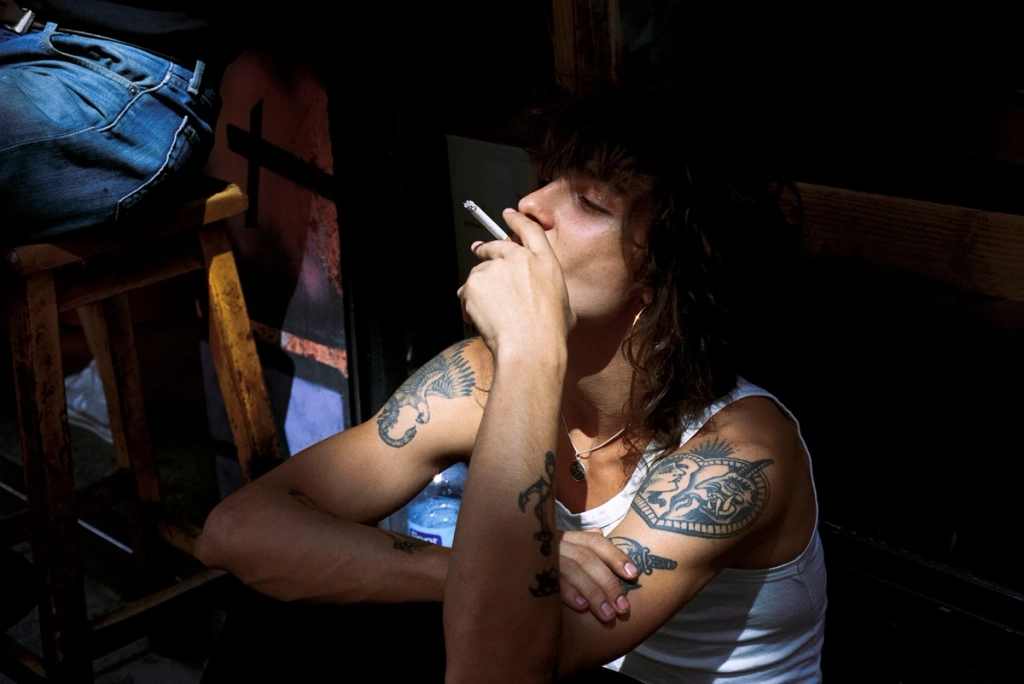
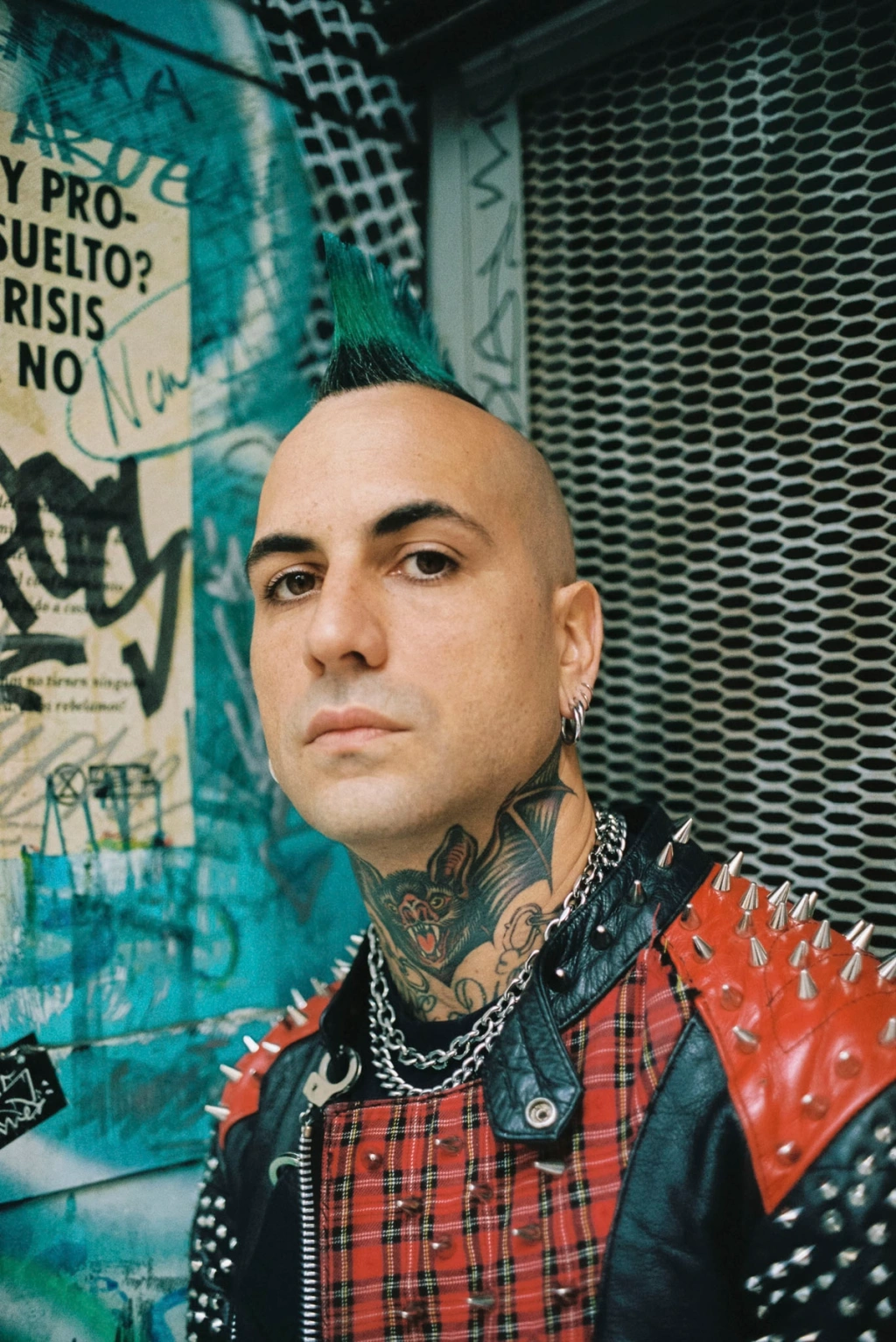
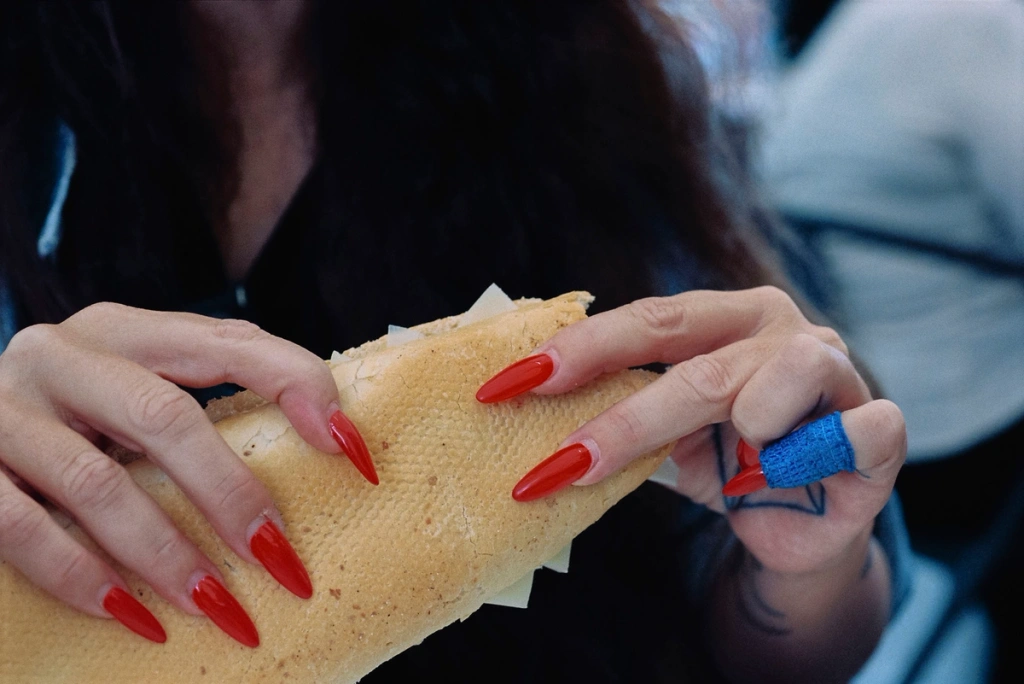
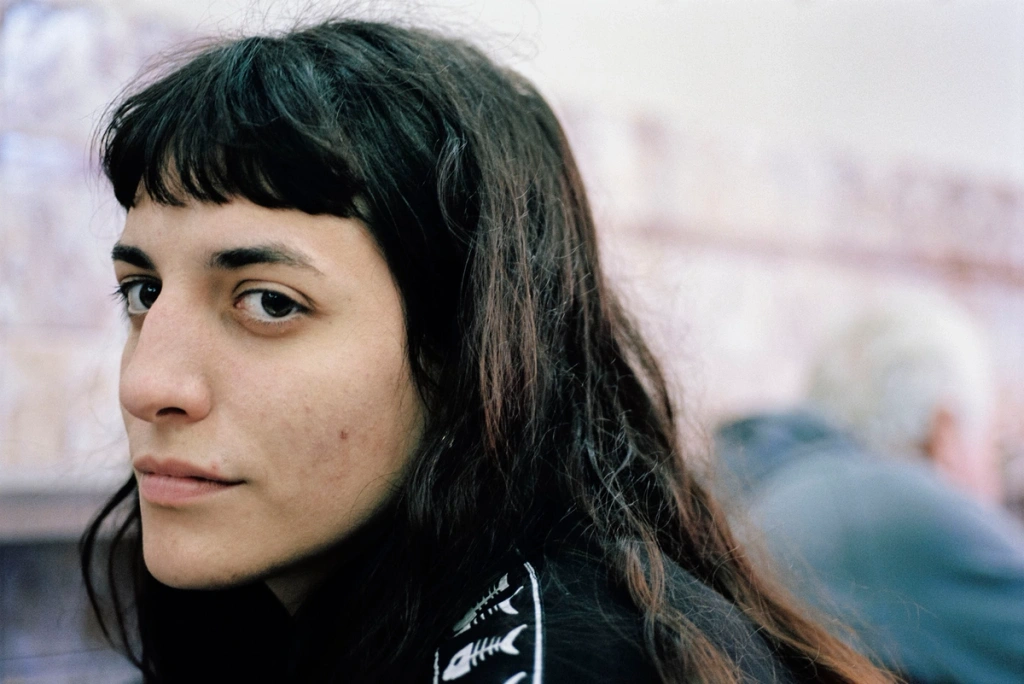
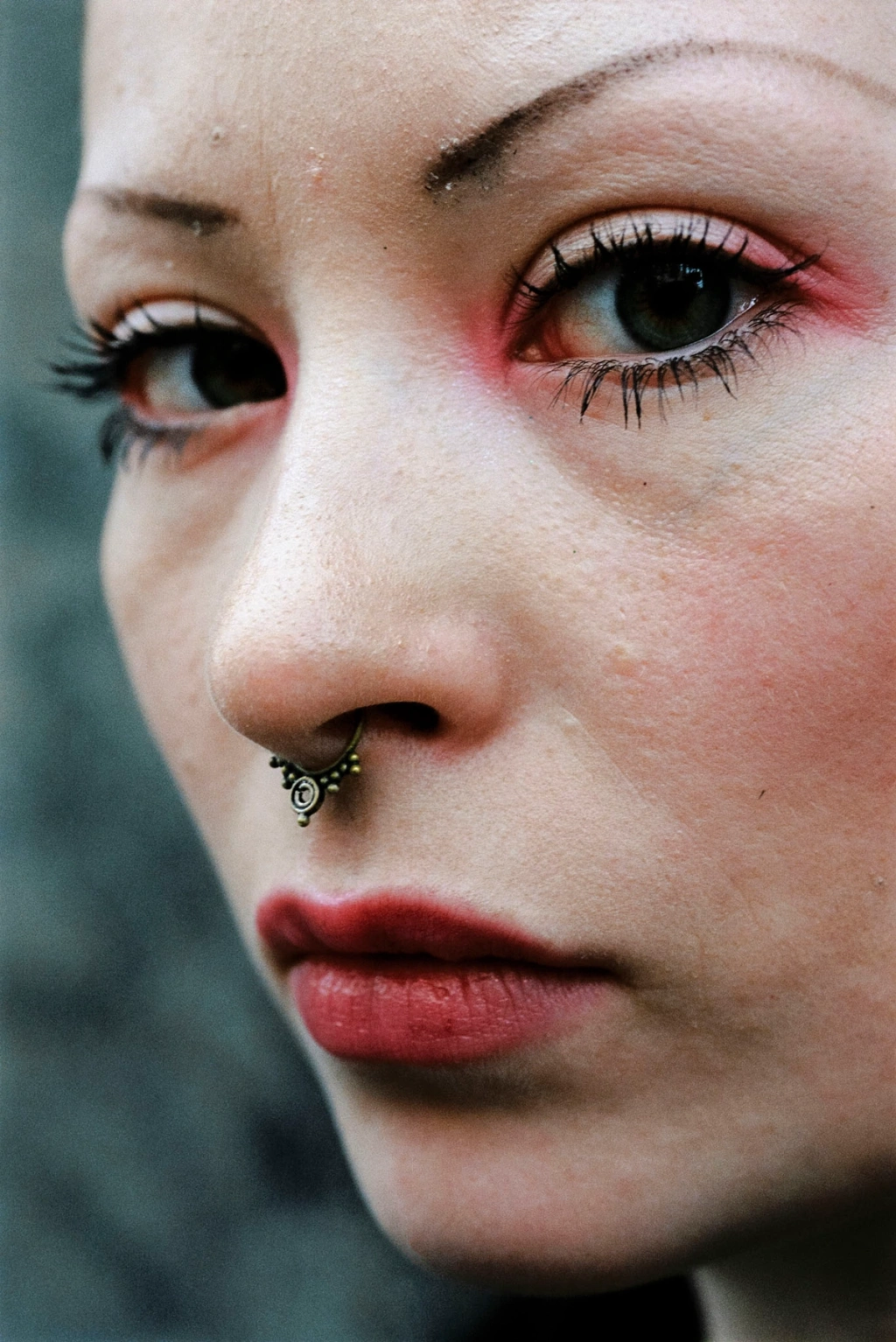
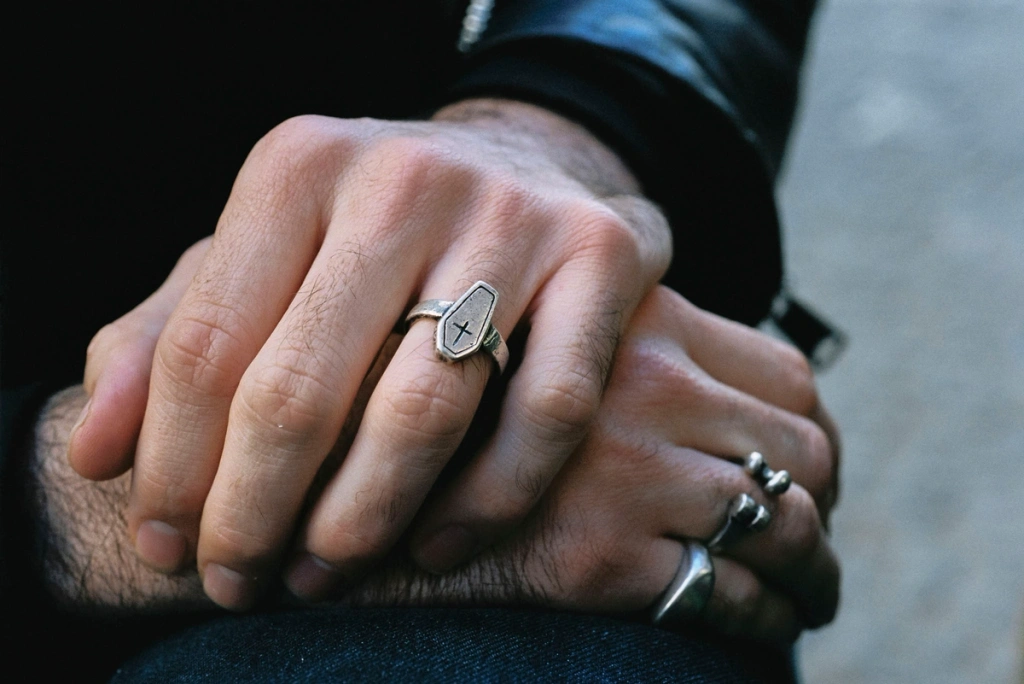
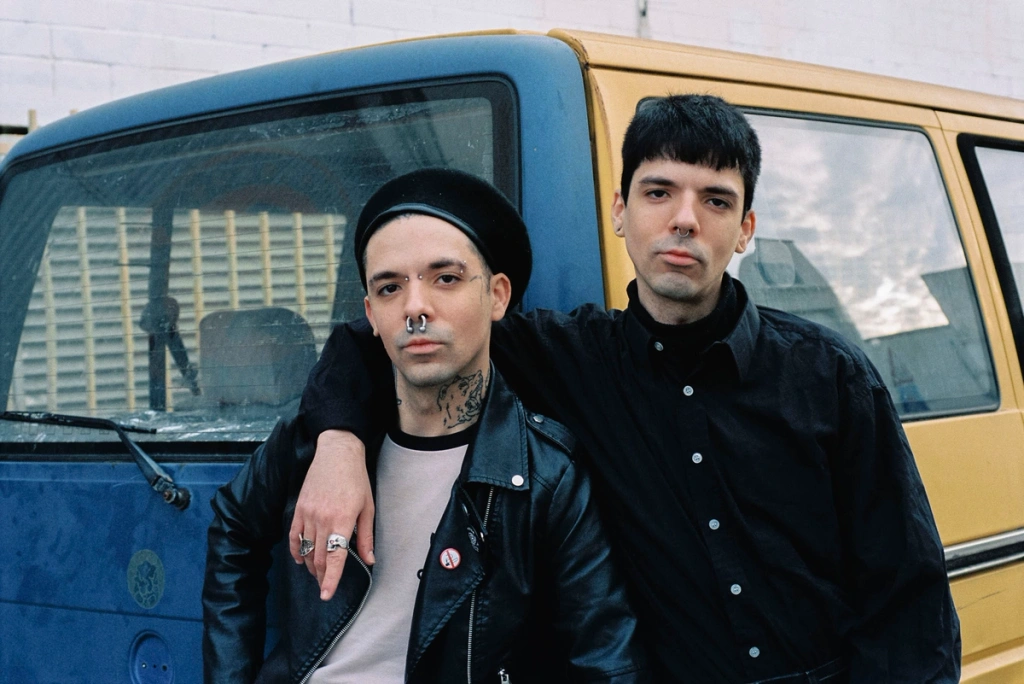
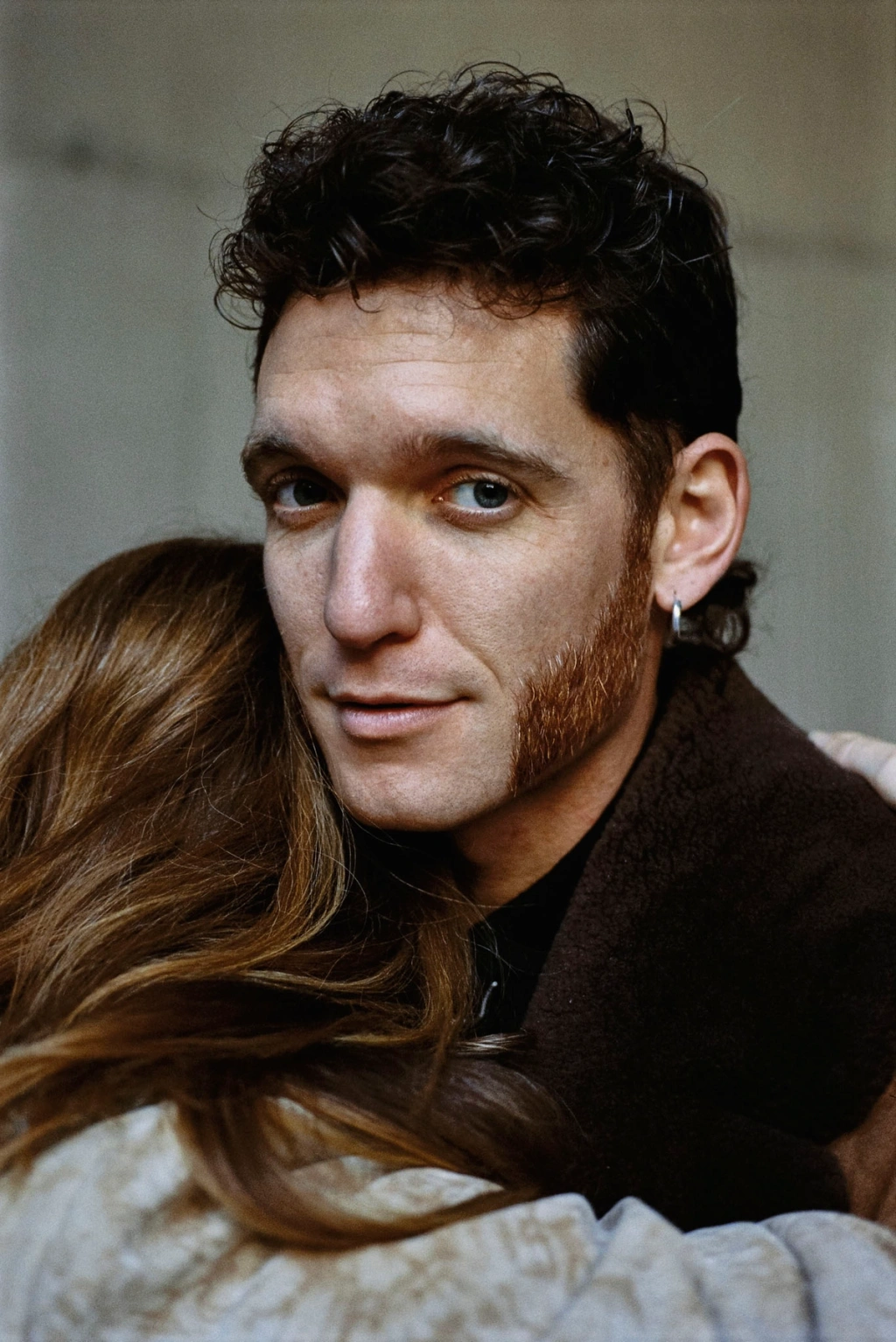
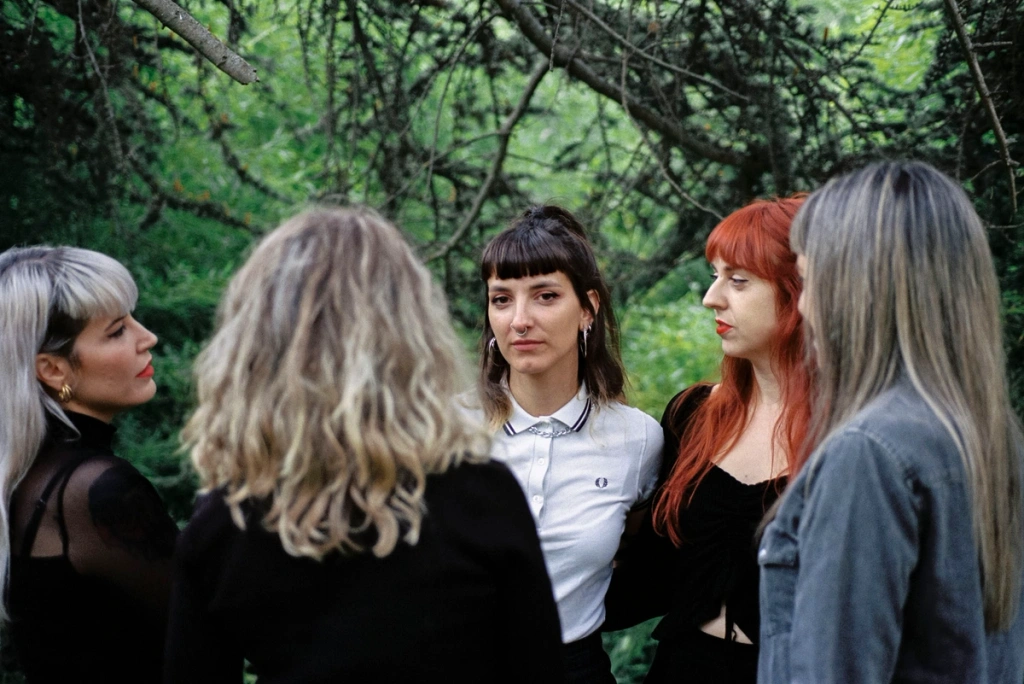
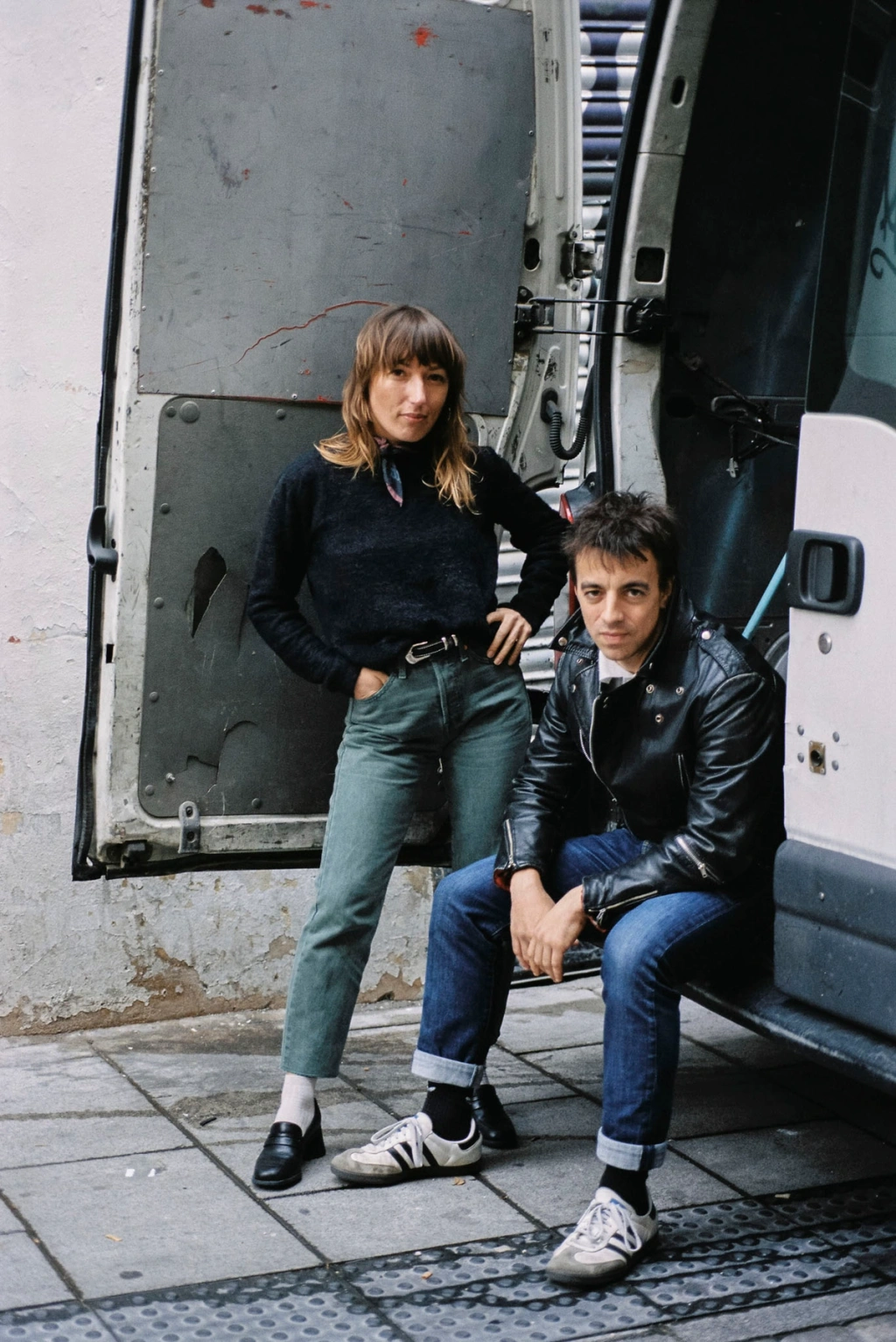
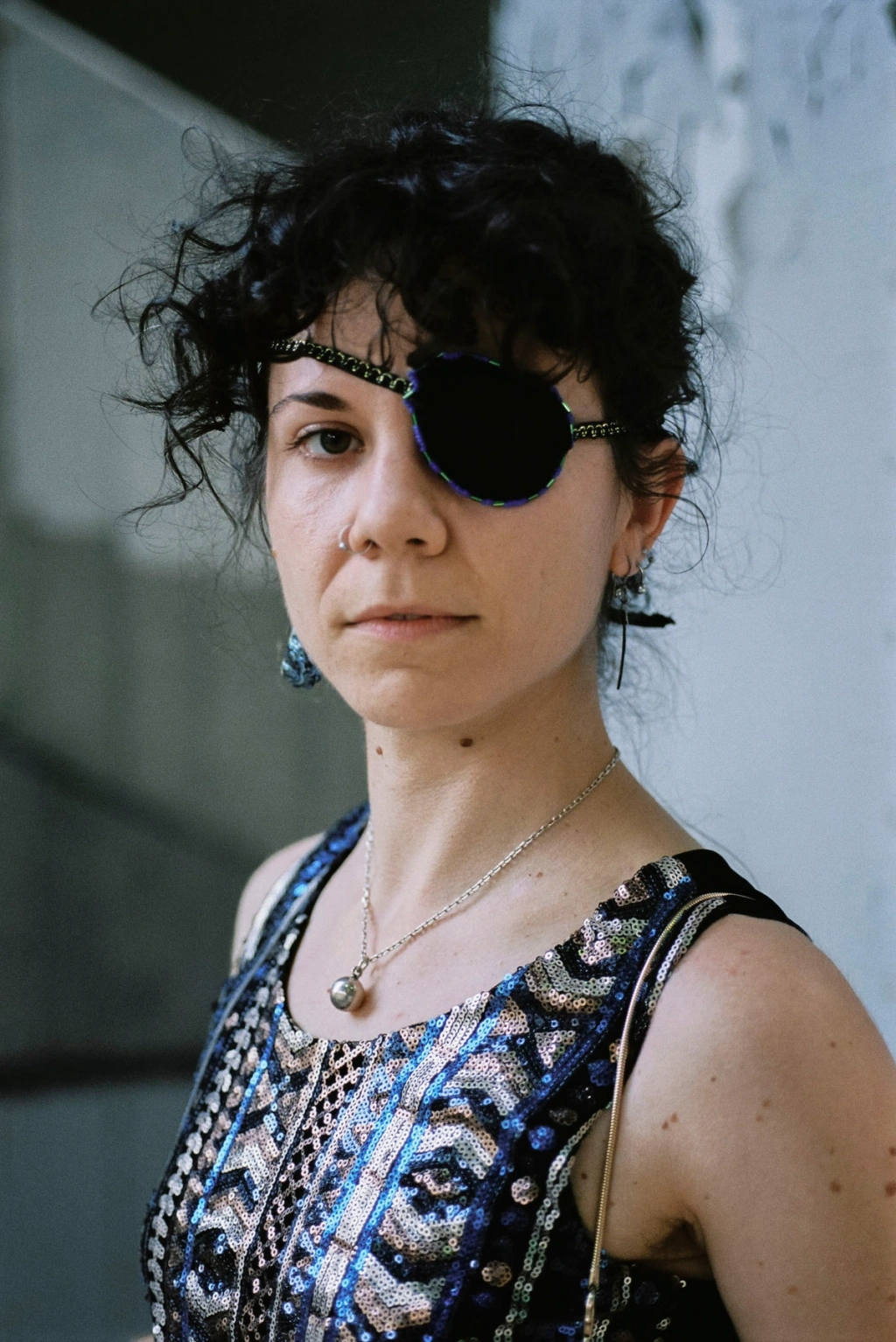
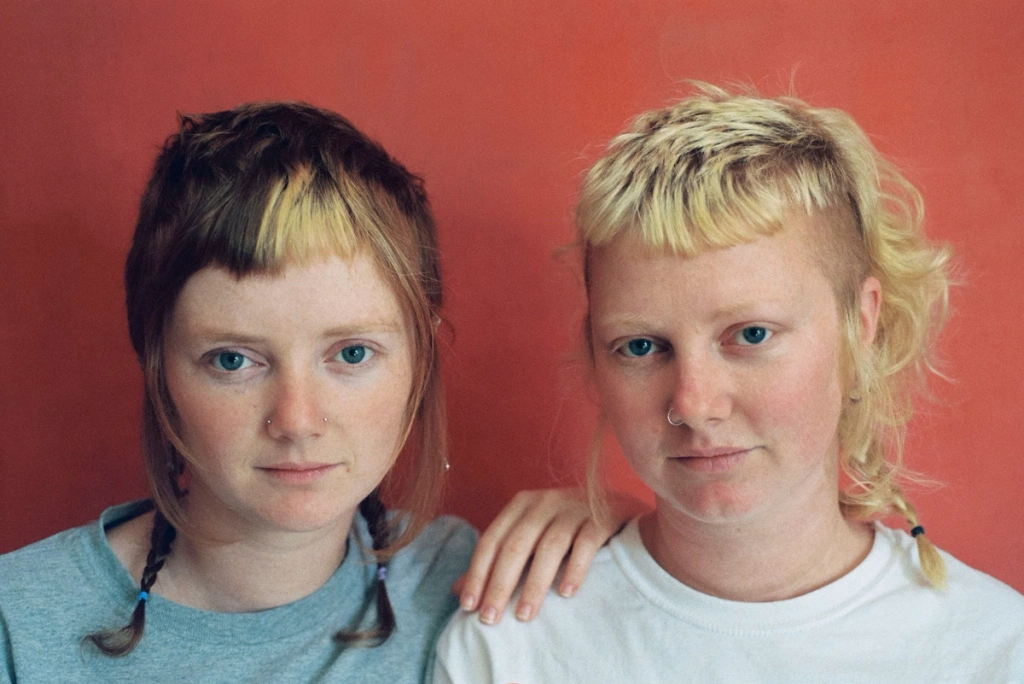
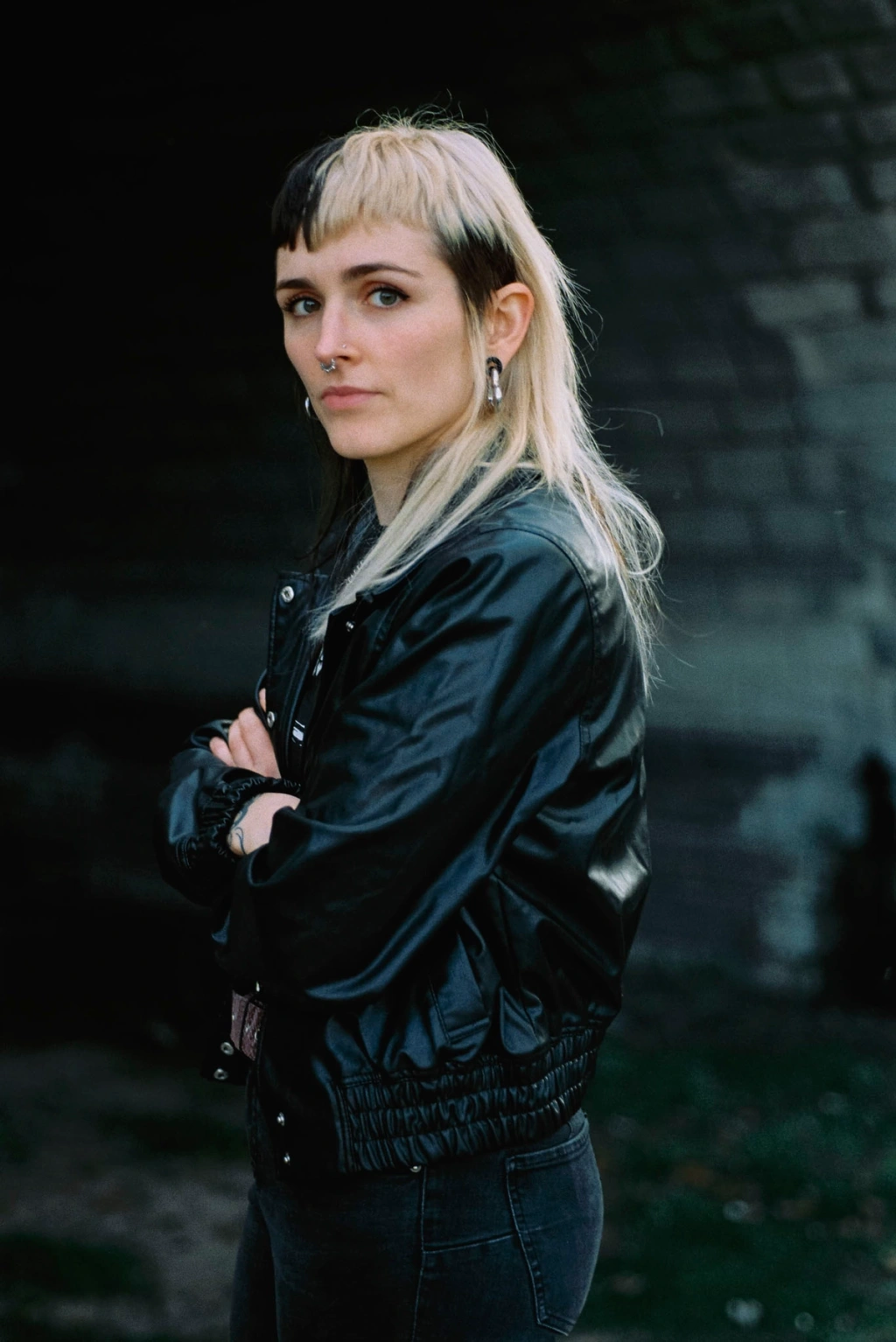
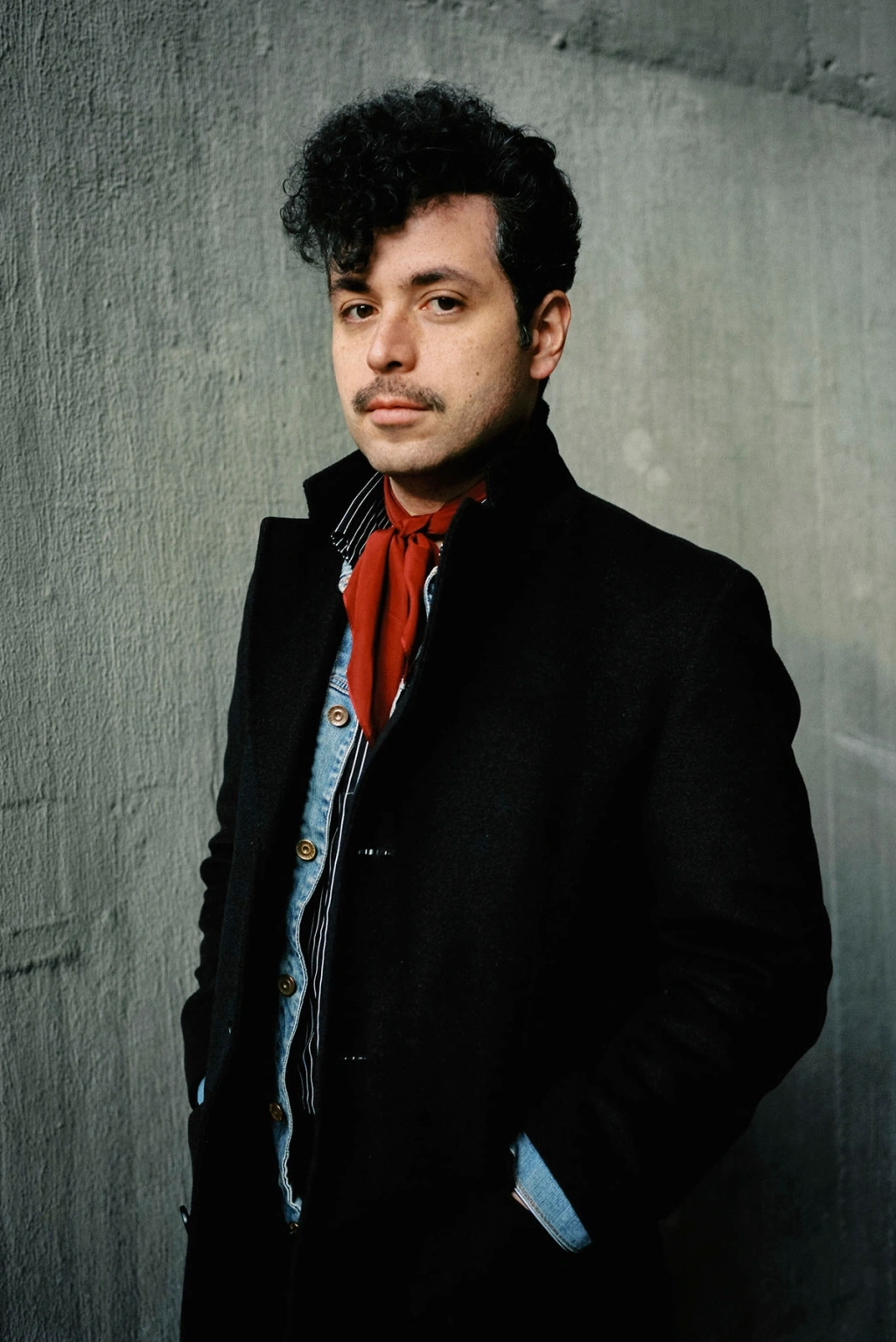
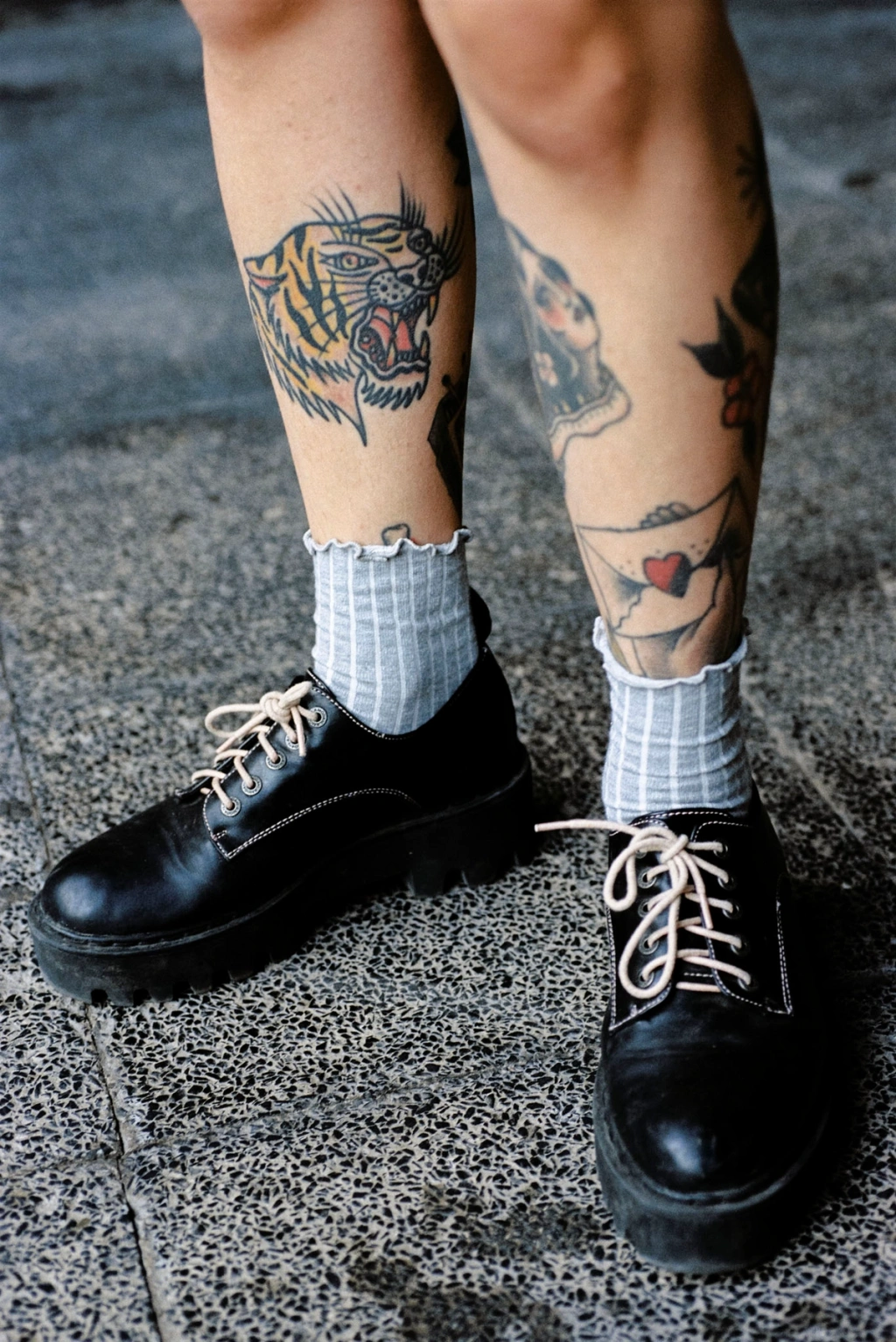
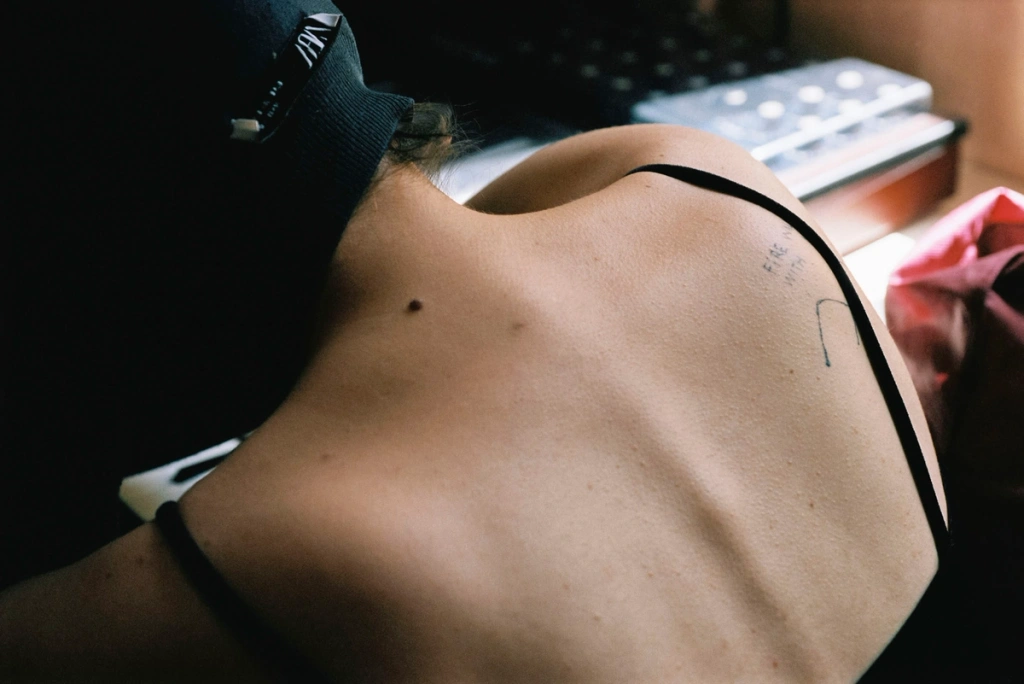
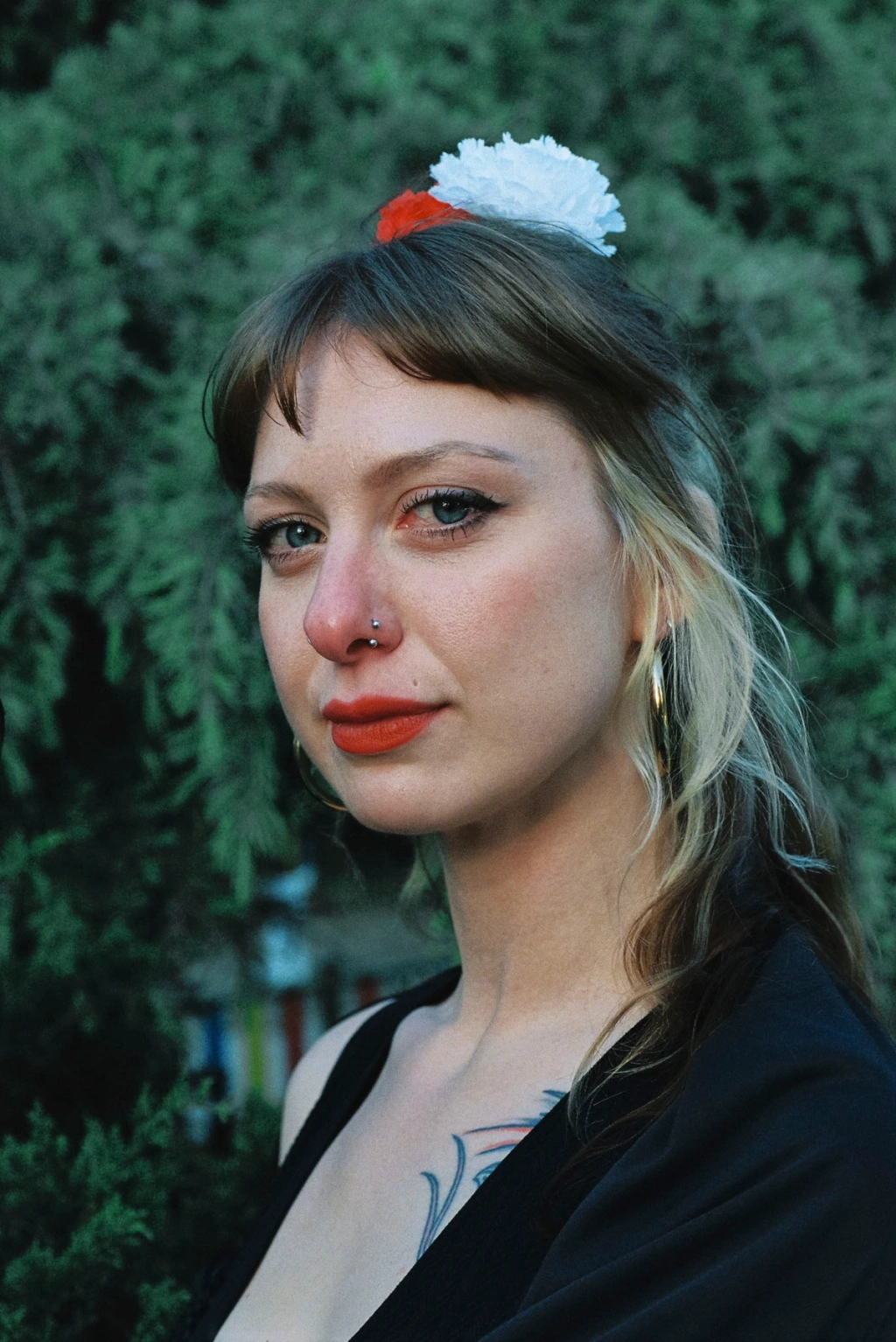
The images dwell in the periphery of the normative, the penumbra of post-pandemic society, where the youth linked to punk counterculture—its music, aesthetics, and codes—become a mosaic of gestures and expressions in dialogue with earlier generations. Each portrait weaves a bridge between past and present: memory, history, and present-day intersect without hierarchy, generating a collective narrative in motion.
The author approaches these spaces from his experience of solitude and his desire for belonging, exploring how marginal groups function as networks of support and affection. The tension between being part of something and remaining on its margins is not merely a personal dilemma; it is the driving force of the gaze. Photographing becomes an act of accompaniment, an exercise in attention and shared presence, a gesture that acknowledges identity and difference without attempting to fix or enclose them.
Familia Real is thus an open space, a constant flow in which community is built through each encounter, each shared glance. The title refers to a ‘chosen family’: affections, codes, and loyalties forged in the rear guard of the normative, resonating with the spirit of the historic punk group that inspires it. Each image is an act of memory, a bridge for intergenerational dialogue, a testimony to the passage of time and the search for identity at the edge of the norm.
In this way, Familia Real unfolds its poetic and conceptual strength: a portrait of the periphery, an act of resistance against oblivion, a never-ending way of looking and being, a territory where identity, difference, and belonging are revealed in the constant tension between proximity and margin.